

Our story, in the Hunter Valley wine region
Planted on a hunch.
In 1971 Helen Marsh planted sparkling grapes on a warm Pokolbin slope, below a ridge that turns red at sunset. This is how that went.
Your cart
We need to confirm you're 18 or over before we take an order.
It is against the law to sell or supply alcohol to, or to obtain alcohol on behalf of, a person under the age of 18 years. An adult signs for every delivery. Liquor licence LIQP000000000 (demo).
Demo checkout
This is where a live Ember Hill site hands your cart to the winery's own wine platform, such as Commerce7, Shopify or OrderPort, for payment, freight and club pricing.
Nothing has been charged and nothing will be sent: Ember Hill is a demo built by Newcastle Web Co.
Planted on a hunch.
In 1971 Helen Marsh planted sparkling grapes on a warm Pokolbin slope, below a ridge that turns red at sunset. This is how that went.
Ember Hill, since 1971
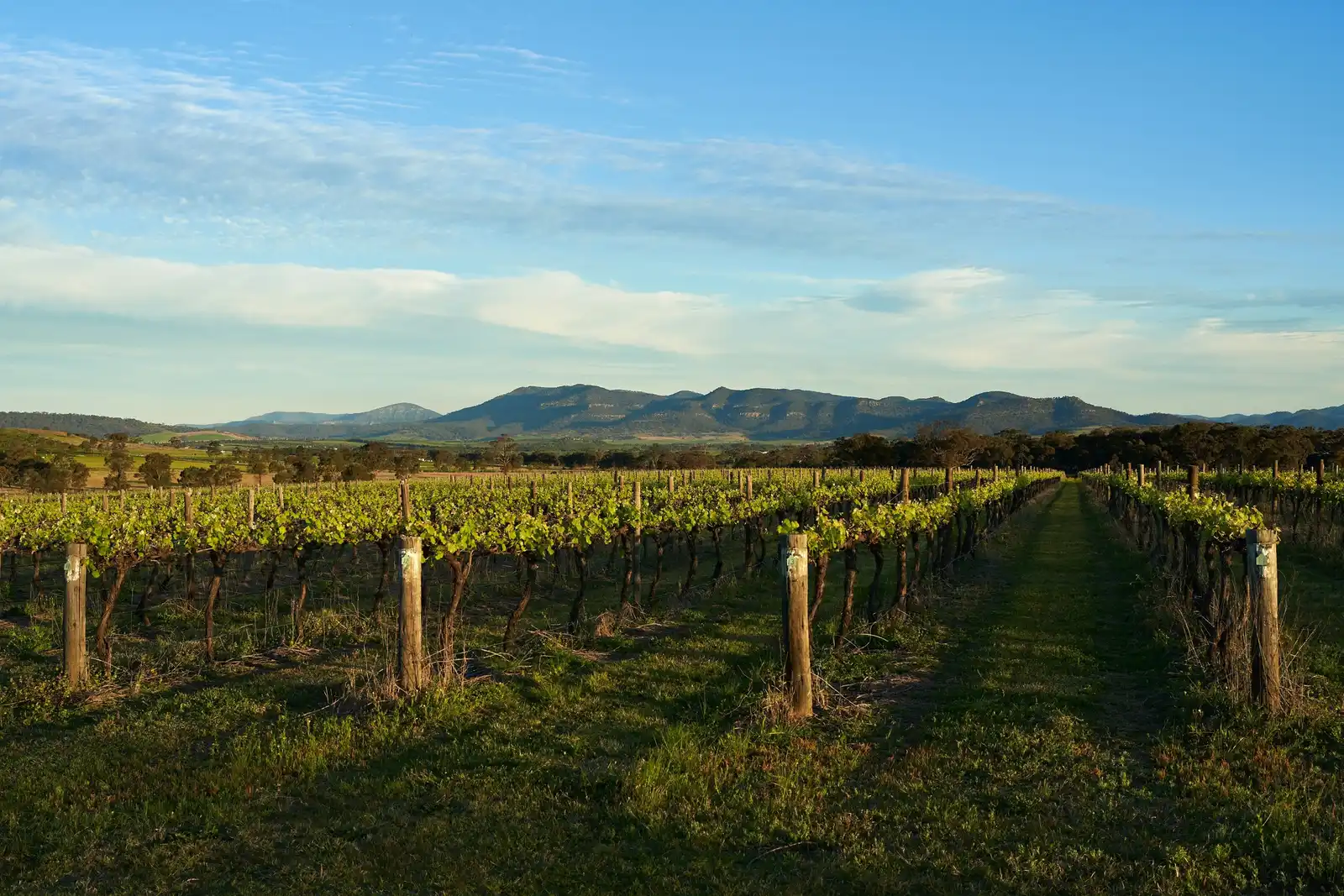
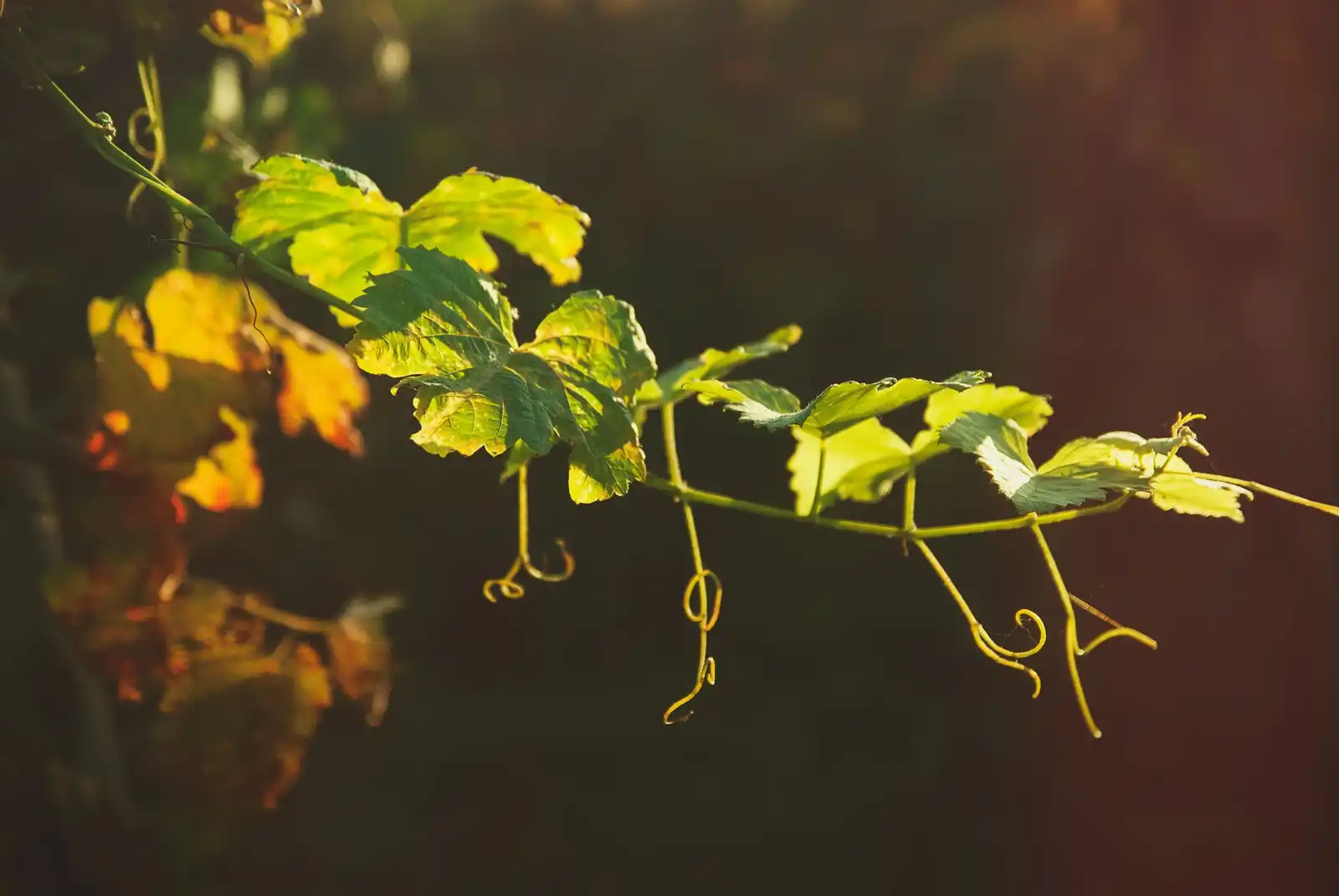
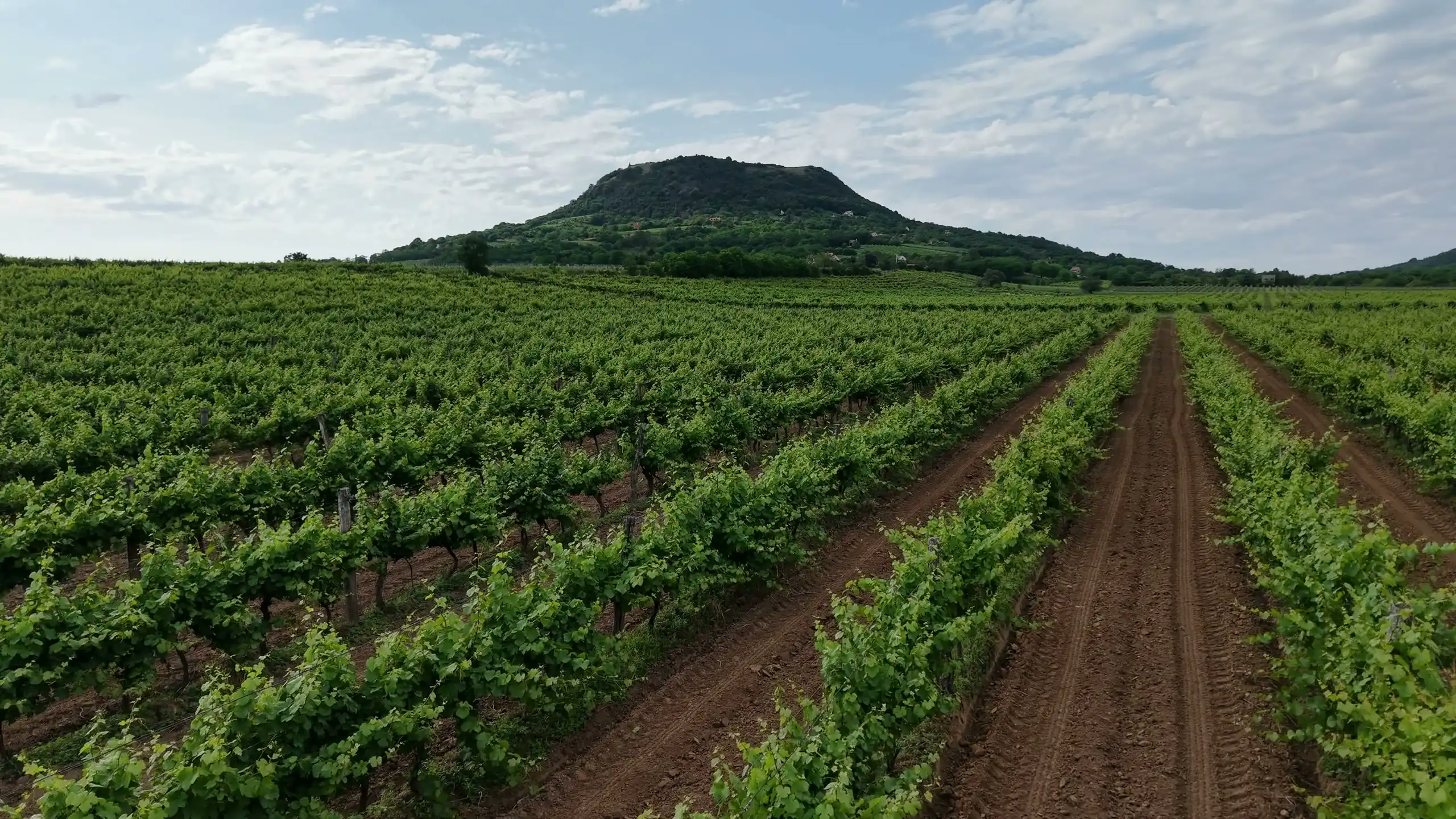
Our story begins in 1971, on a slope in Pokolbin, in the years when the first small vineyards were going in beside the Hunter's old family names. Helen Marsh bought the land for the ironstone ridge that runs along the top of it, a band of rock that turns ember-red for a few minutes at sunset, and she planted 14 hectares of vines on the slope below. The ridge gave the house its name. The vines gave it everything else.
She planted chardonnay, pinot noir and pinot meunier, the three grapes of traditional-method sparkling, in a part of the Hunter Valley wine region far better known for semillon and shiraz. The Hunter is warm, and plenty of people thought it was the wrong place for bubbles. Helen's answer was to pick early. The first vintage came in 1974, cut by hand before dawn in January while the fruit still had its acid, and it went into bottle to wait.
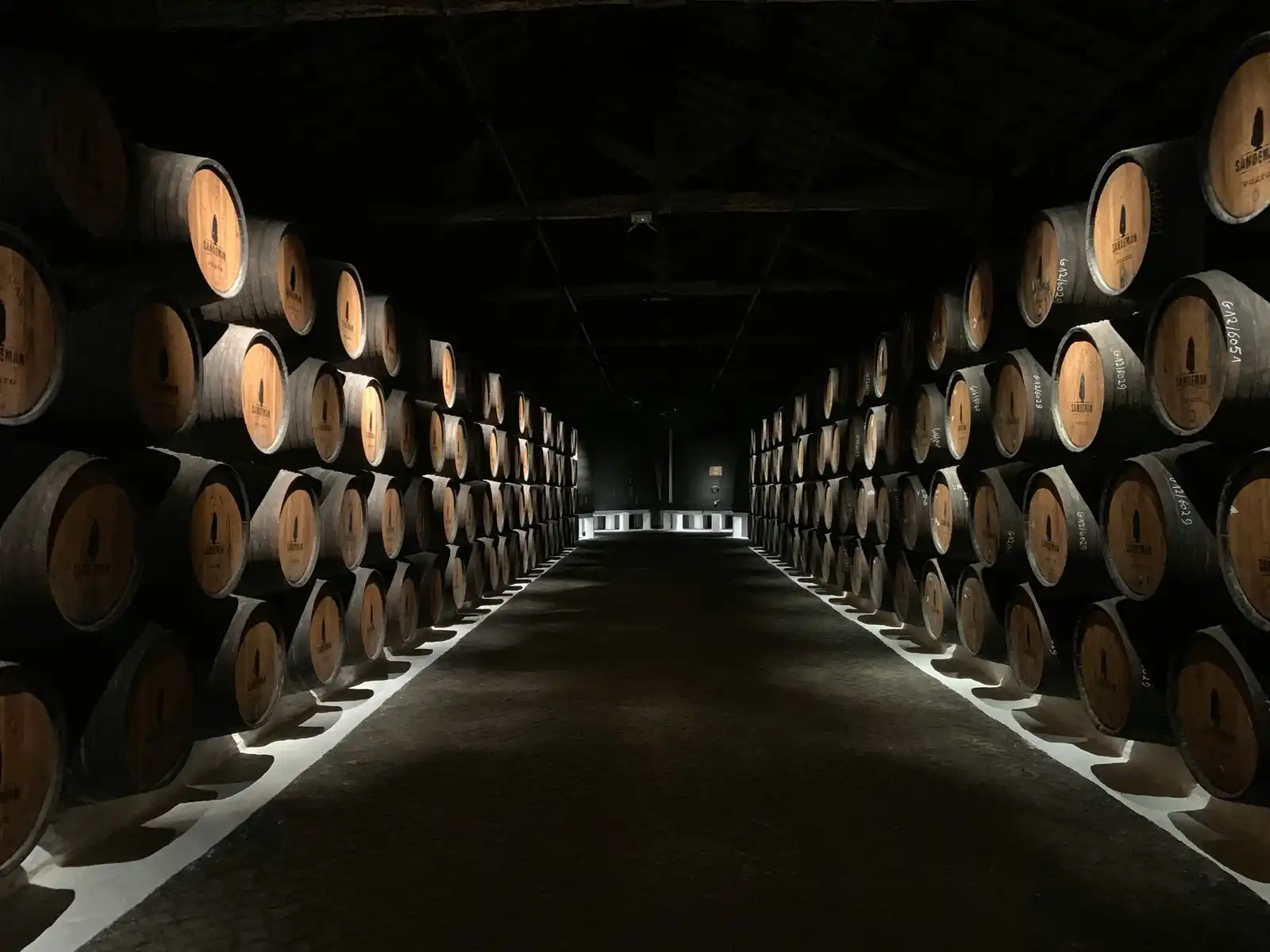
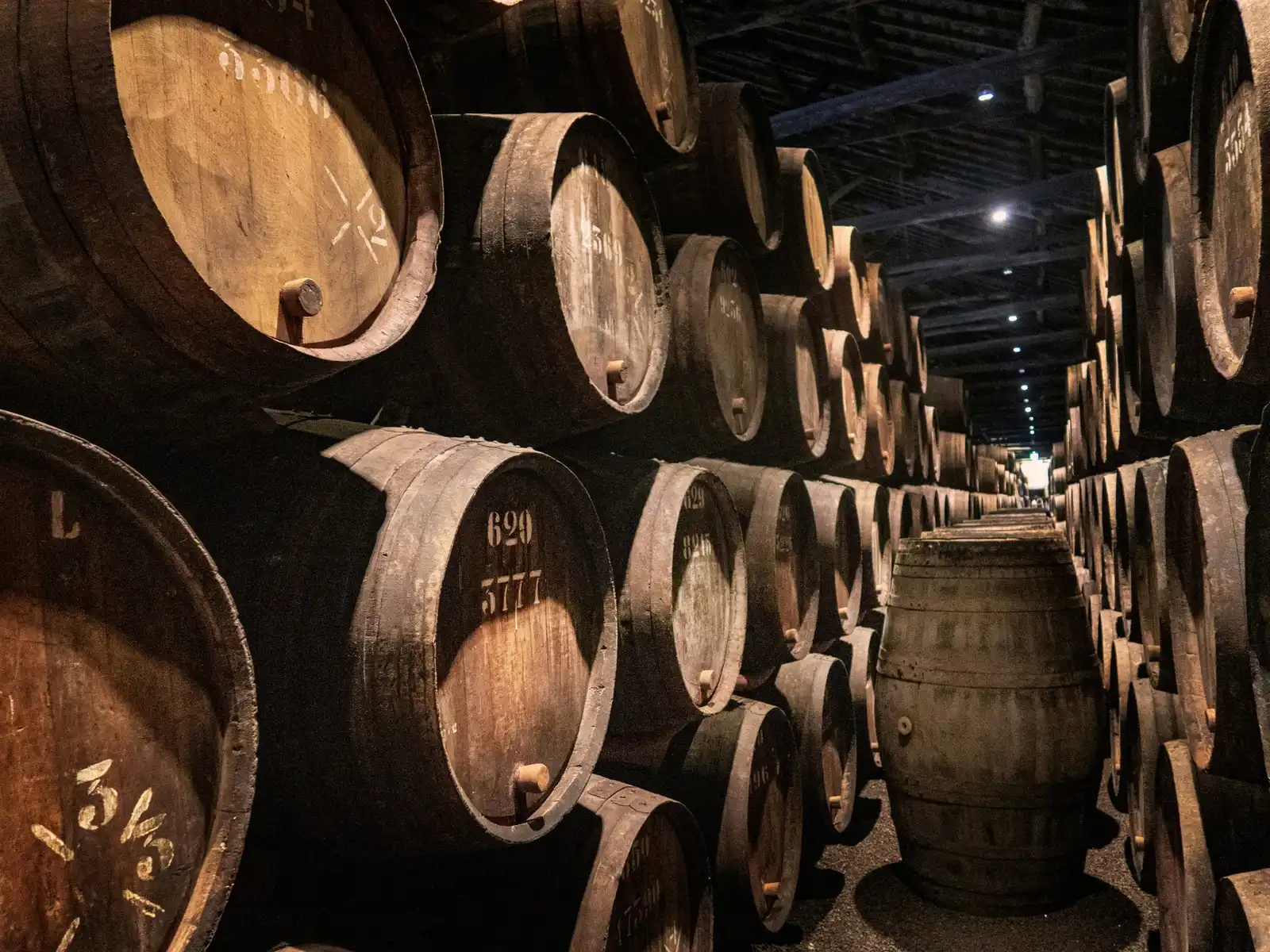
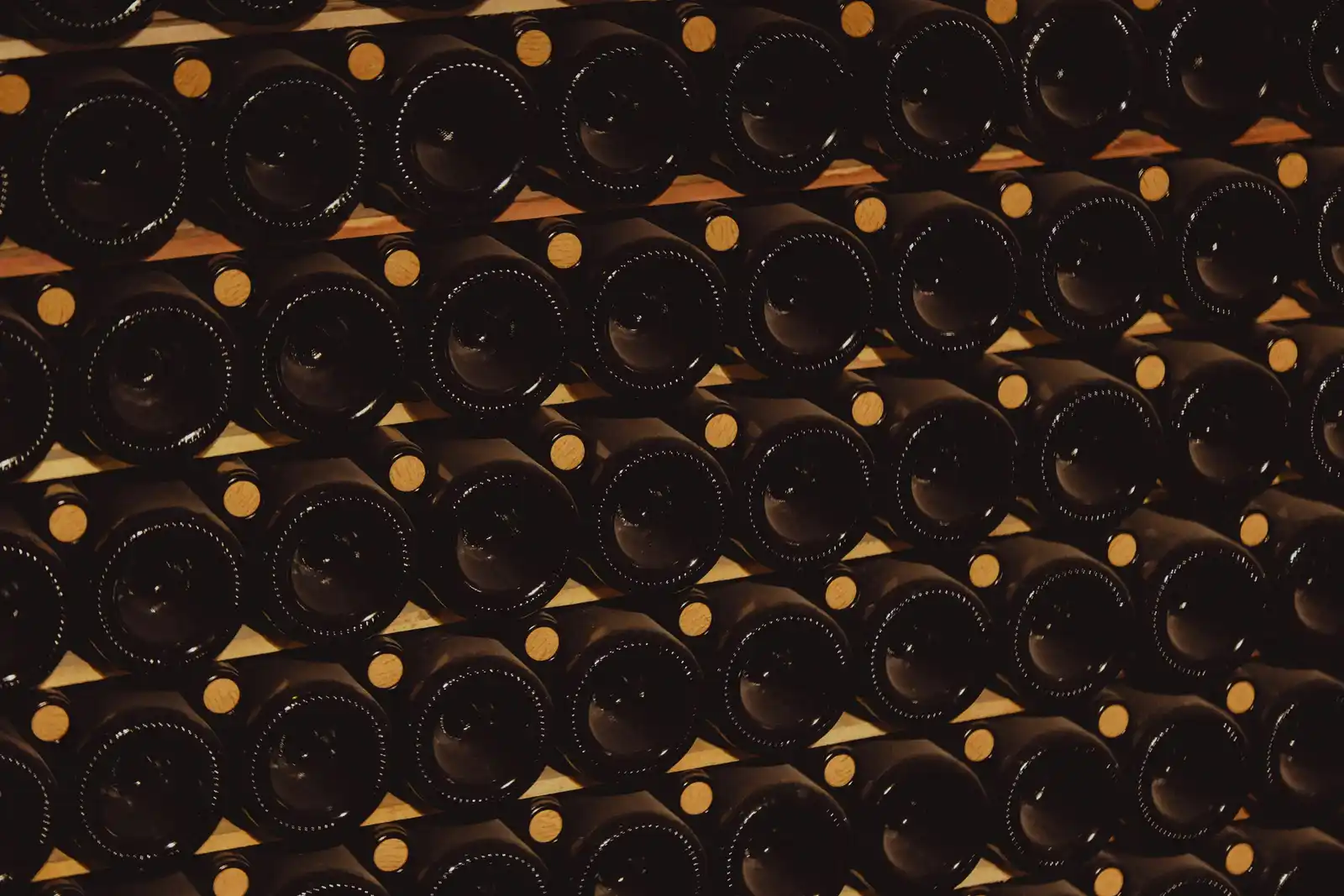
That is still how it works. The same three blocks, the same method, and a cellar under the hill that has filled up a great deal since. You can walk the rows on the vineyard and method page, or taste where they end up at the cellar door.
From the founder
I came up this hill in 1971 because of the ridge. I stood at the bottom of the slope one evening and watched the ironstone go red, the colour of a fire burned down to coals, and I knew what the place would be called before I knew what I would grow on it.
I chose sparkling because it can't be hurried. You pick in January in the dark, you make a plain, sharp wine, and then you put it in the bottle and leave it alone for years. Most of what makes it good happens while nobody is looking.
Daniel grew up in the cellar we dug into the hill. He has made the wines since 2016, and they are better than mine were. I still turn a rack or two when he lets me. Come and taste what the years have done.
Helen
The name
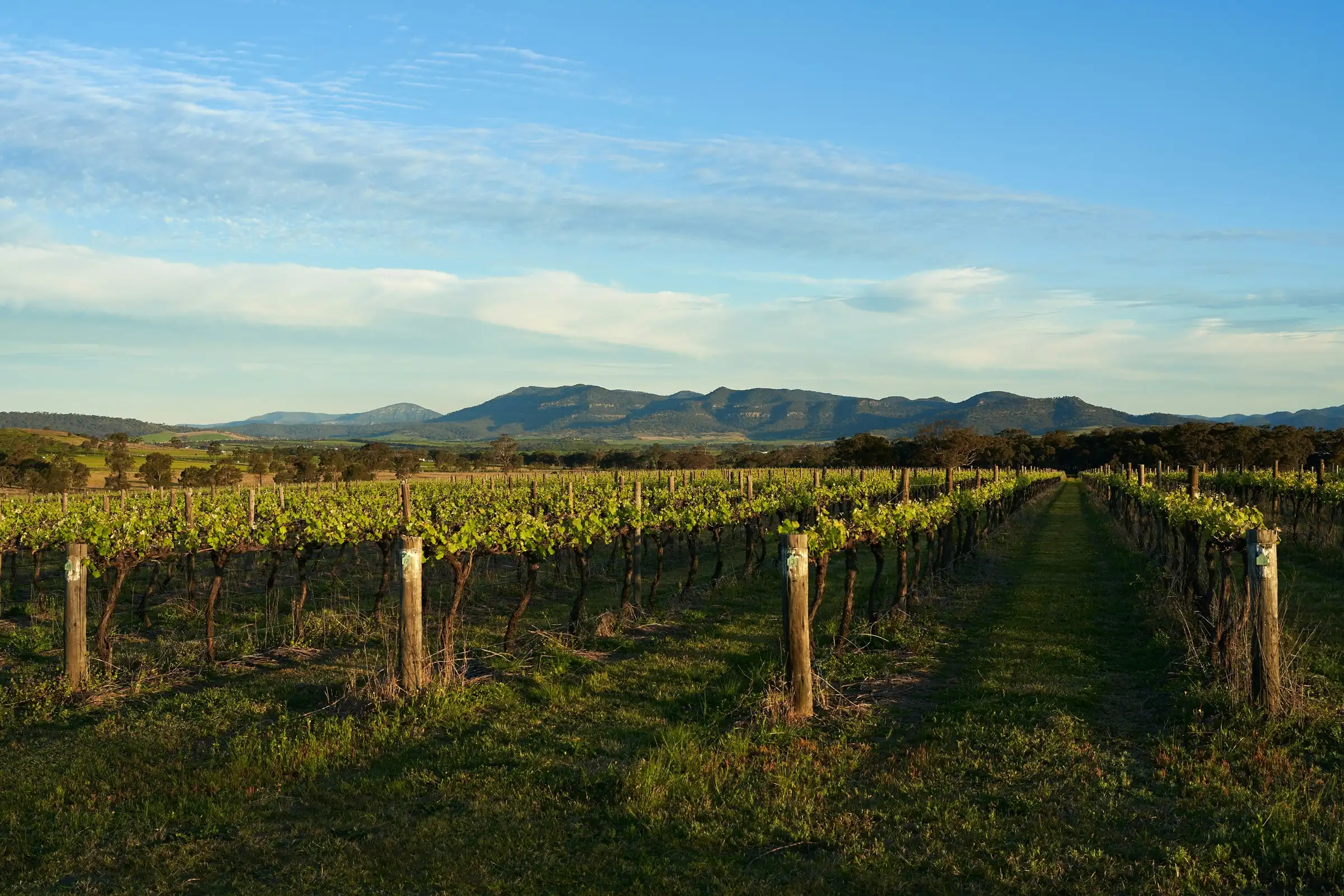
Stand at the cellar door late on a clear afternoon and look up the slope. Above the last row of the Top Block the ironstone ridge catches the low sun and glows like coals for a few minutes before the light goes. Helen saw it the first evening she walked the block, and the name was settled before a single vine went in.
In winter the sun goes down close to closing time. Book the last cellar door tasting of the day, at 4pm, and look up the slope as you leave.
The winemaker
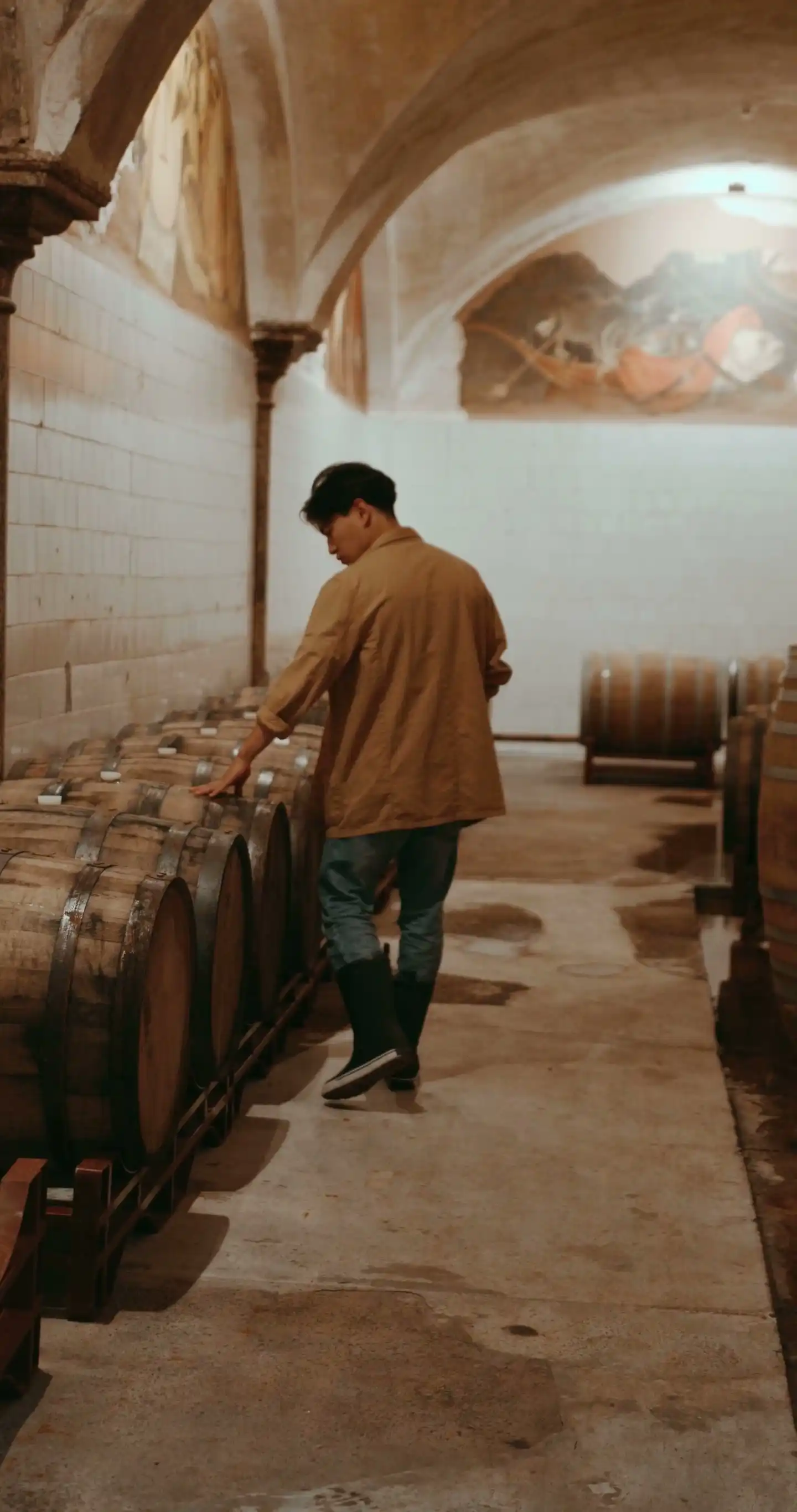
Daniel Marsh took over as chief winemaker in 2016. He is Helen's son, and he learned the work in the same cellar the house still uses: the crown seals going on at tirage, the turns on the riddling racks, the cold neck of a bottle at disgorging. He has kept the one rule his mother set. Make only sparkling, and make all of it by the traditional method.
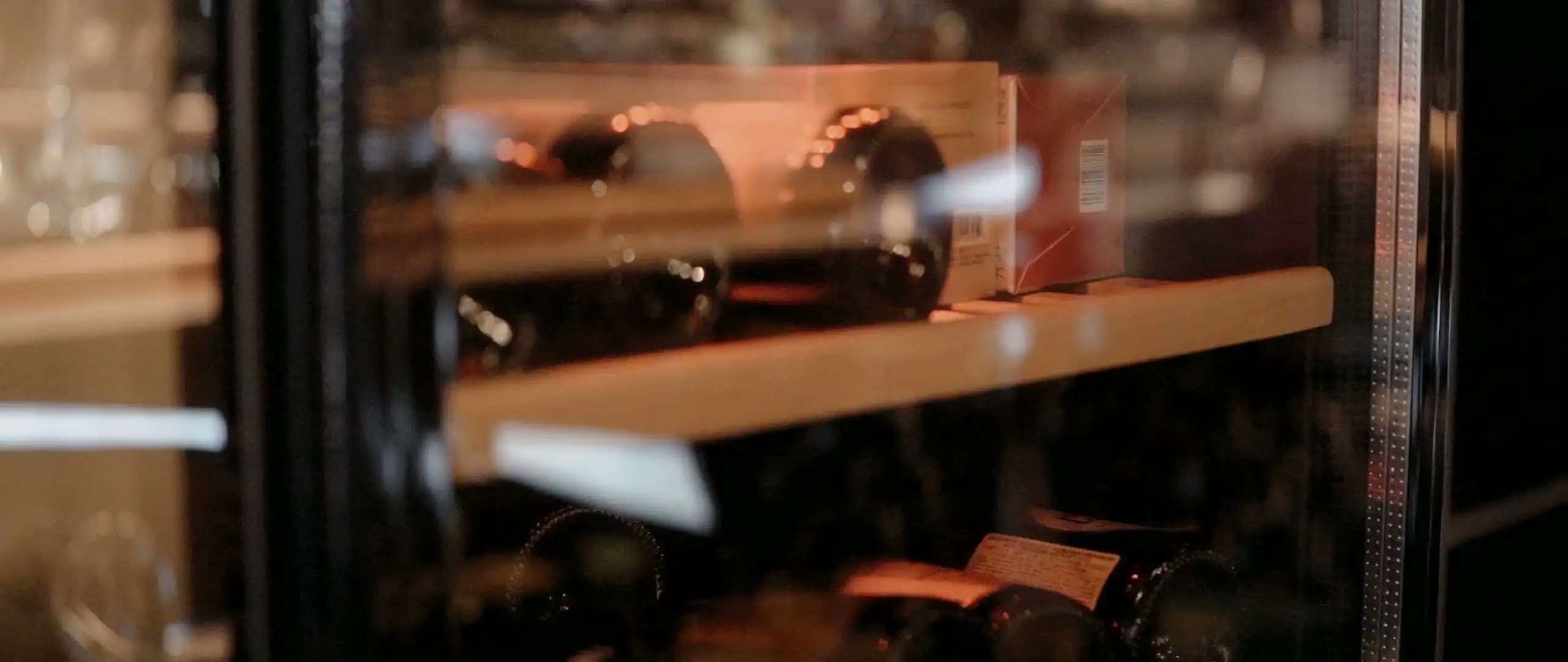
Why only sparkling? Partly the fruit. Chardonnay and pinot picked early in the Hunter make a lean base wine with plenty of acid, which is exactly what a second fermentation in the bottle wants. Partly the cellar. Earth keeps the cellar under the hill cool and steady through a Hunter summer, and a bottle resting on its lees needs that for years. And partly temperament. A house that makes one thing can give it the time it asks for, from three years on lees for the rosé to ten for the late disgorged.
On Saturdays you can work beside the winemaker in the disgorging masterclass, and open, dose and cork a bottle of your own by hand.
Most of what makes it good happens while nobody is looking.
Ember Hill in brief
Visit
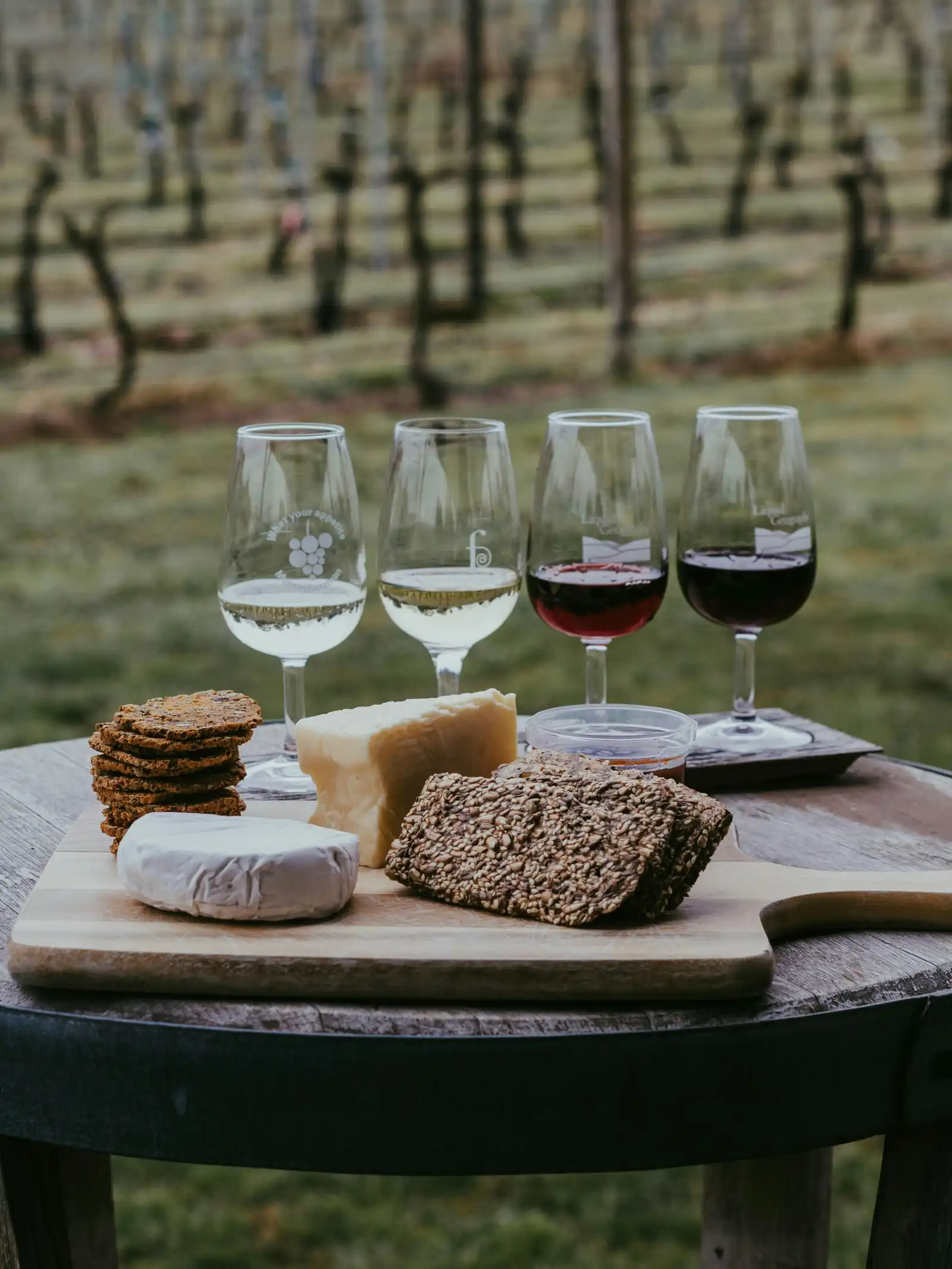
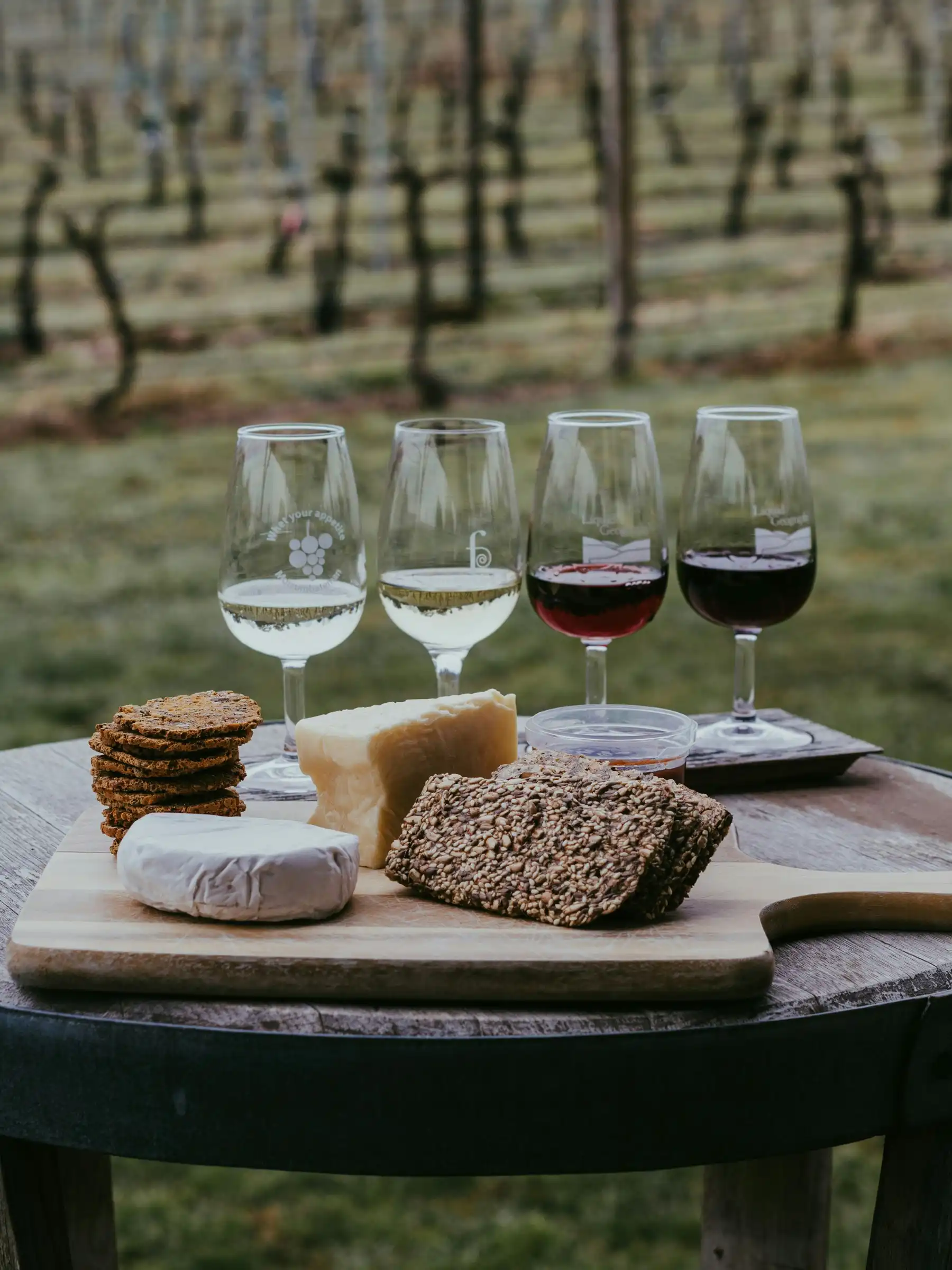
The cellar door is open daily, 10am to 5pm, and closed on Christmas Day and Good Friday. A cellar door tasting is $20 for 45 minutes: the four cuvées and a glass of base wine from tank, so you taste the start of the method beside the finish. Lunch is at Lees, Thursday to Monday, noon to 3pm, where Tom Avery cooks to the wines.
Pokolbin is about 50 minutes from Newcastle. Plan the drive home before the first pour: bring a designated driver, or book a tour or a transfer, and the afternoon is yours.
Questions
Ember Hill is a family winery. Helen Marsh founded it and planted the vineyard in 1971, and her son Daniel Marsh has been chief winemaker since 2016, making every cuvée we release. The restaurant, Lees, is run by head chef Tom Avery. We make traditional-method sparkling in Pokolbin and nothing else, so the same small team grows the fruit, makes the wine and pours it at the cellar door.
The name comes from the ironstone ridge above the vineyard. For a few minutes at sunset the rock catches the low light and glows ember-red, like a fire burned down to coals. Helen Marsh saw it on her first evening on the slope in 1971 and named the place before she had planted anything. In winter, when the sun sets early, the last tasting of the day at 4pm gives you the best chance to see it.
The vines went in during 1971 and the first vintage was 1974, once the young vines were bearing fruit worth picking. Because every bottle is aged on its lees for years before release, those first wines spent a long time in the cellar before anyone tasted them. Today the cuvées spend three to ten years on lees, from the rosé to the late disgorged.
Helen Marsh planted for sparkling from the start, and Daniel Marsh has kept it that way. Chardonnay, pinot noir and pinot meunier picked early in the Hunter make a lean, high-acid base wine, which suits a second fermentation in the bottle. The cellar dug into the hill holds a steady temperature for the years of lees ageing. Making one style means every bottle gets the time it needs.
The Hunter Valley wine region is best known for semillon and shiraz, and it is a warm place to grow grapes. For sparkling, that means picking early. We hand-pick our chardonnay and pinot in January, before dawn, while the fruit is cool and still holds its acid. That acid is what keeps a traditional-method wine fresh through years on lees, so the timing of the pick matters more than anything.
The surest way is the disgorging masterclass, held on Saturdays at 10am. It runs for 2.5 hours, costs $185 and takes up to six people, and you disgorge, dose and cork your own bottle by hand with the winemaker, then take it home. The riddling room tour, Friday to Sunday at 11am and 2pm, also goes down into the cellar under the hill. All experiences are for guests 18 and over.
Taste the four cuvées at the bench with the riddling racks behind you. The cellar door is open daily, 10am to 5pm.