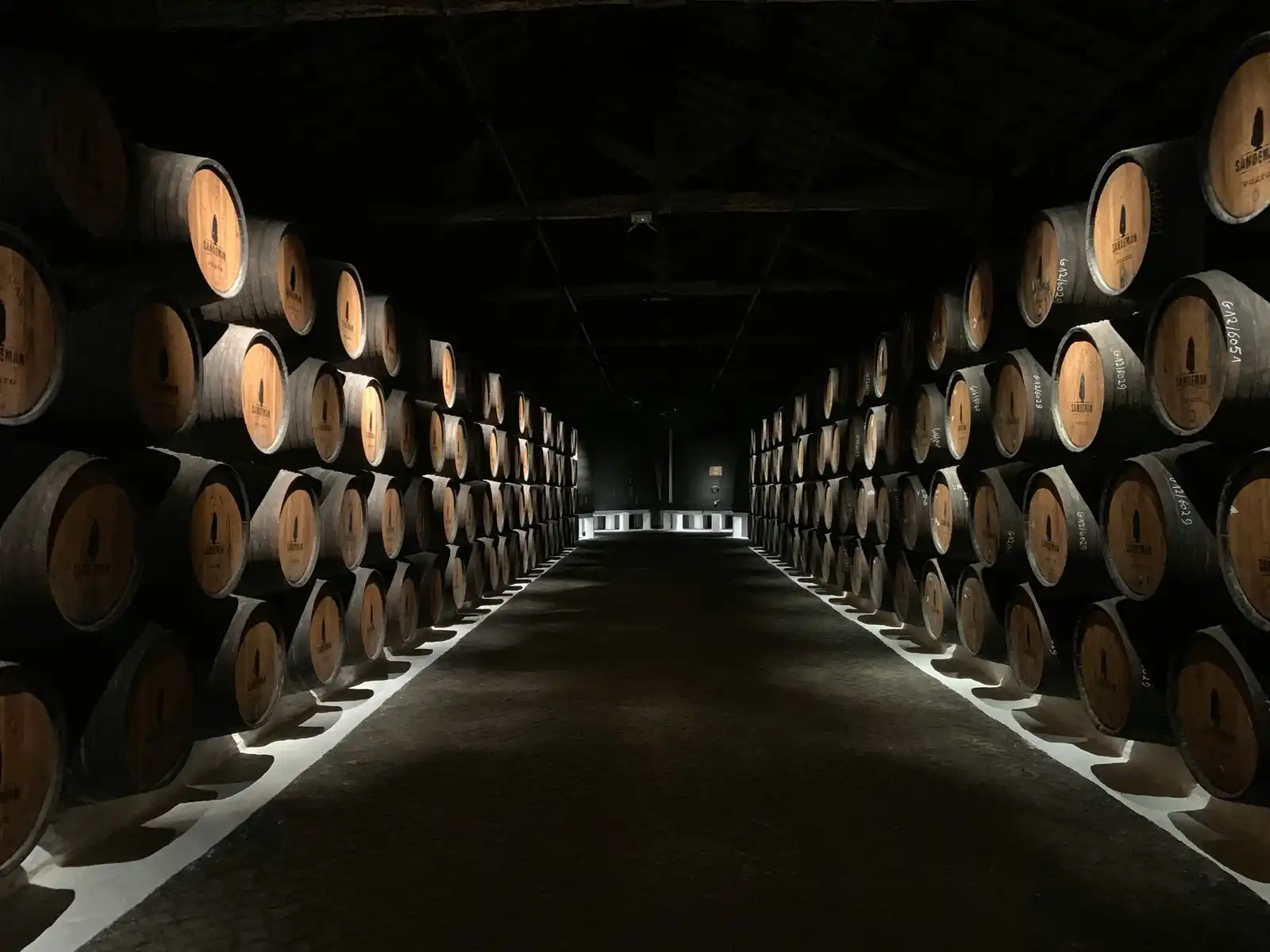
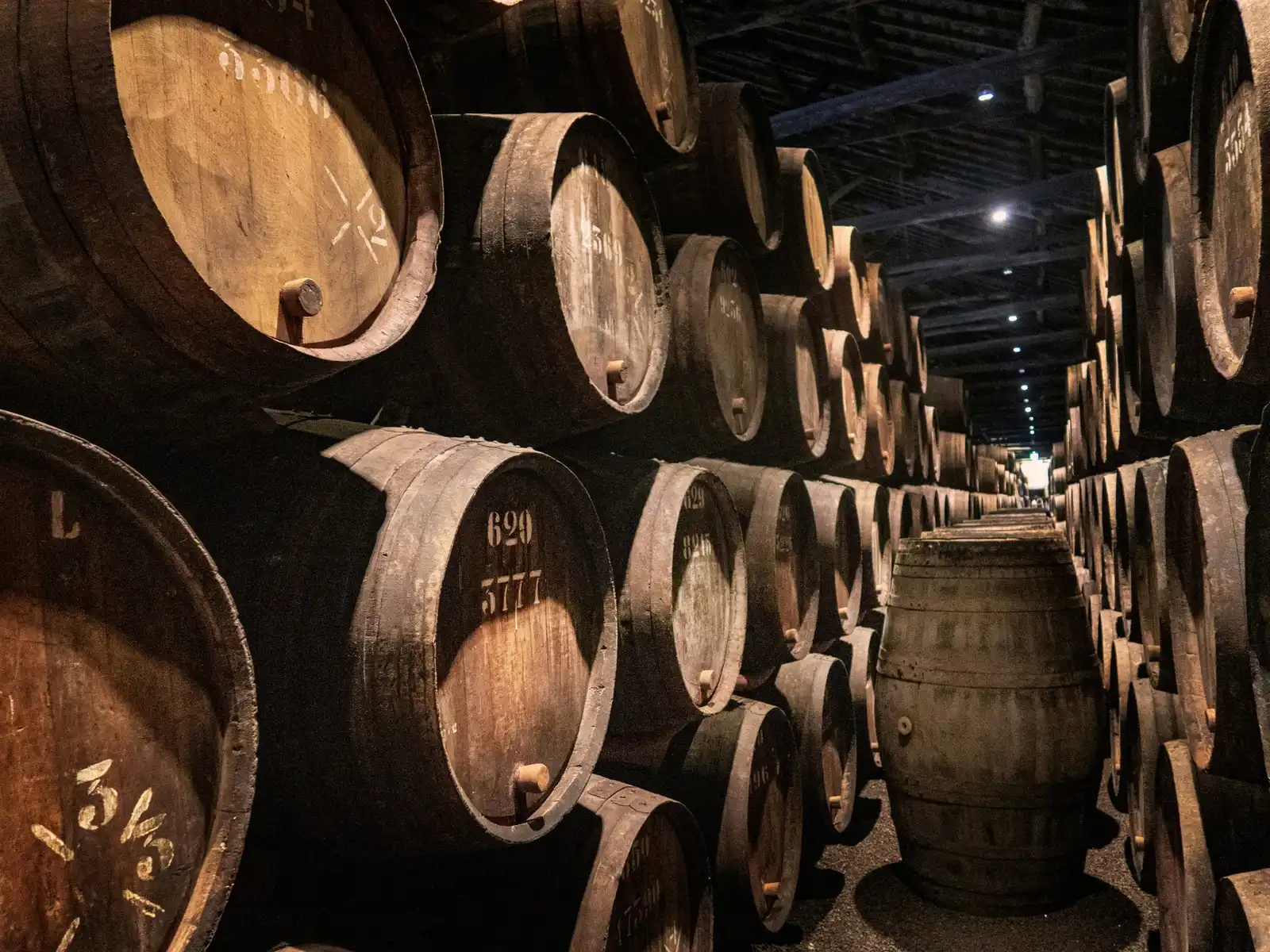
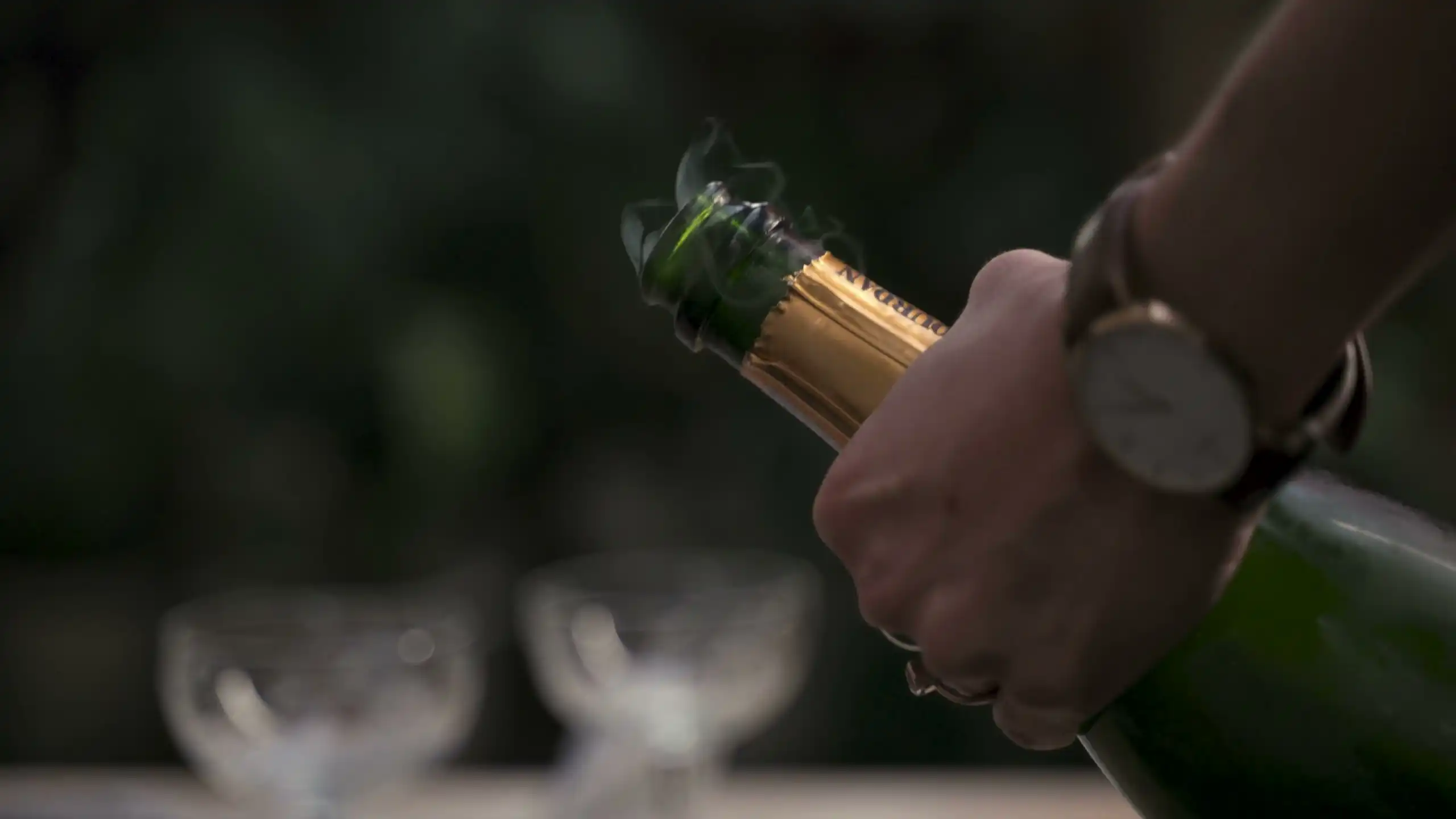
Disgorging is the step that clears a traditional method sparkling wine of its lees, the spent yeast left in the bottle after the second fermentation. Once riddling has gathered the lees into the neck, the crown seal is taken off and the pressure inside the bottle pushes the plug of yeast out. The bottle is then topped up with a little wine, the dosage, and closed with a cork and wire. It takes seconds per bottle, and it's the last thing that happens to the wine at Ember Hill before it leaves the cellar under our hill in Pokolbin.
Before disgorging: years on lees
Every one of our bottles starts as a still base wine, bottled at tirage with yeast and a little sugar and closed with a crown seal. The yeast ferments the sugar, the bubbles dissolve into the wine, and the yeast cells die and settle as a fine sediment along the side of the bottle.
Then the bottles wait. The lees slowly breaks down and gives the wine its savoury, bready depth, which is why time on lees is printed on every one of our cuvées: three years for the Rosé, five for the Blanc de Blancs, six for the Blanc de Noirs and ten for the Late Disgorged.
Riddling: bringing the lees to the neck
You can't disgorge a bottle while the lees is spread along its side. Riddling moves it into the neck.
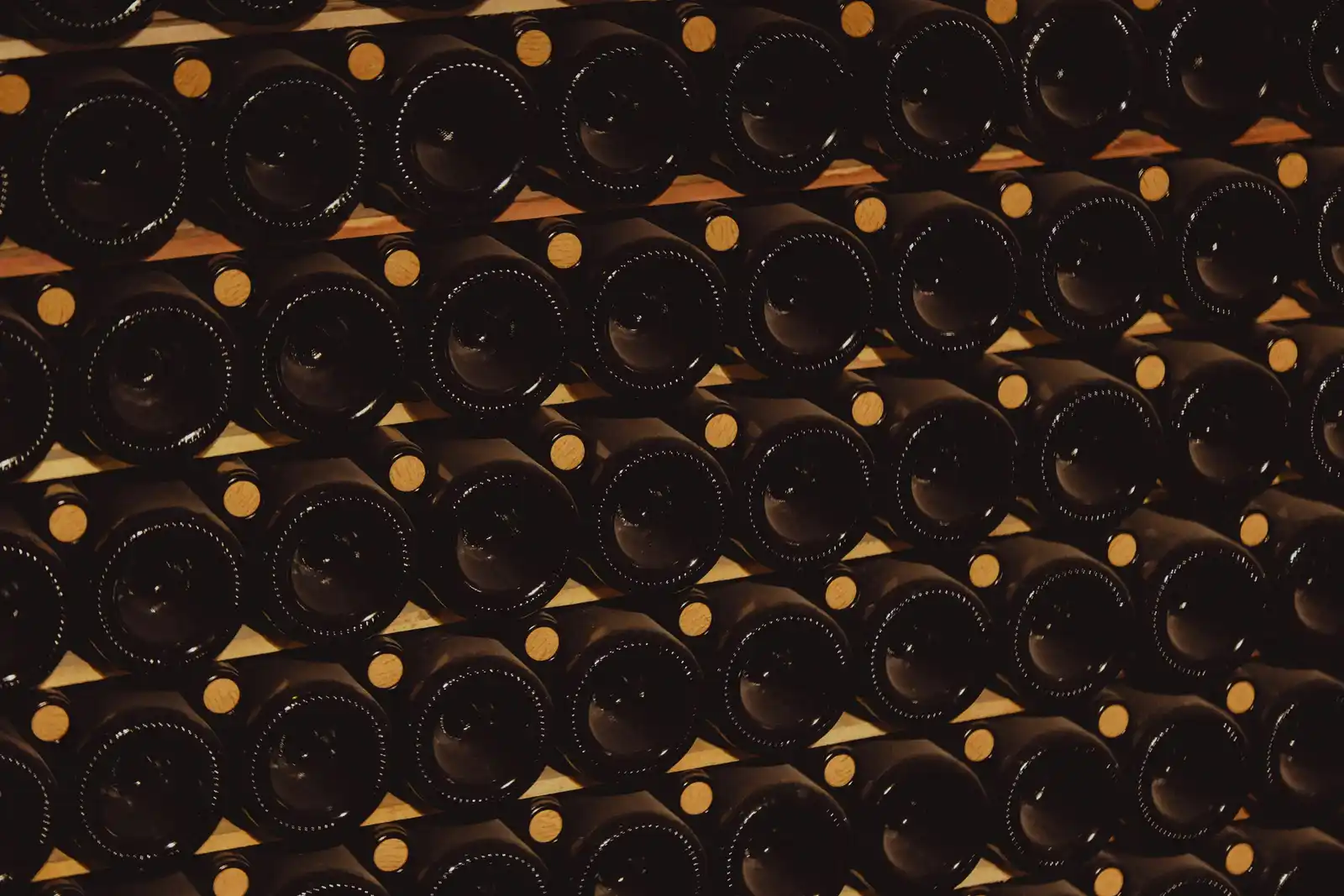
The bottles go neck first into riddling racks, wooden A-frames with angled holes. Each day, or every few days, a cellar hand gives each bottle a short, sharp turn and tips it a little more upright. The small jolt loosens the sediment and gravity draws it down. After enough turns the bottle stands nearly upside down, and the lees sits in a neat plug against the crown seal.
At Ember Hill we turn the bottles by hand. Many larger producers use machines that hold hundreds of bottles in a cage and do the same work on a timer. The result is similar. Hand riddling is slower and needs more people, and we like knowing every bottle has been through someone's hands. On the riddling room tour you can give a bottle a turn yourself.
Disgorging by hand and by machine
There are two main ways to get the lees out.
À la volée, by hand
This is the old way, and the one you learn in our disgorging masterclass. The cellar hand holds the bottle neck down, turns it to an angle, and flicks off the crown seal with a special key. The pressure throws the lees out in a short burst, and in the same movement the bottle is tipped upright so the wine stays in. Get the timing wrong and you lose wine, or leave some lees behind. It takes practice, and it's the right way to handle older bottles and large formats.
Freezing the neck
Most sparkling wine today is disgorged by freezing. The upside-down bottles are dipped neck first into a very cold bath, which freezes the lees and a little wine into a small ice plug. The bottle is turned upright, the seal comes off, and the frozen plug shoots out cleanly. Less wine is lost and the work is quicker, which is why it suits large runs.
Neither way is better for the wine itself. They're different tools for different volumes.
Dosage: the top-up that sets the style
Disgorging always costs a little wine, so the bottle is topped up straight away with the dosage, called the liqueur d'expédition. It's wine, often with some sugar dissolved in it. The amount of sugar decides how dry the finished wine tastes.
- Brut, our Blanc de Blancs at 6 g/L and our Rosé at 7 g/L
- Extra brut, our Blanc de Noirs at 3 g/L
- Brut nature, our Late Disgorged at 0 g/L, topped up with wine alone
The dosage isn't there to make the wine sweet. A few grams round off the acid, and the right amount is a judgement Daniel Marsh makes for each cuvée by tasting trial blends. Then the cork goes in, the wire cage goes on, and the bottle rests again so the dosage can settle into the wine before release.
Why late disgorged tastes different
The date of disgorging changes the wine. While a bottle sits on its lees under the crown seal, it ages slowly and the lees protects it from oxygen. Once it's disgorged, the wine starts to age in a different way under its cork.
A late disgorged wine is simply one left on its lees far longer than usual before disgorging. Our Late Disgorged is from 2012 and spent ten years on lees. Over that decade the fresh fruit softens into honey, toast and hazelnut, and the bead becomes finer. Because the lees kept it fresh all that time, it can carry those flavours without tiring. We finish it brut nature because it has enough richness of its own.
It's also why the date matters for anyone cellaring a sparkling: the clock that matters most after release is time since disgorging.
See it for yourself
Disgorging is far easier to understand standing next to the racks than reading about them. The riddling room tour runs Friday to Sunday at 11am and 2pm, $65 for 75 minutes. The disgorging masterclass runs on Saturdays at 10am, $185 for two and a half hours with the winemaker, and you take home the bottle you disgorged. Both are 18 and over. Our vineyard and method page covers the steps before this one.