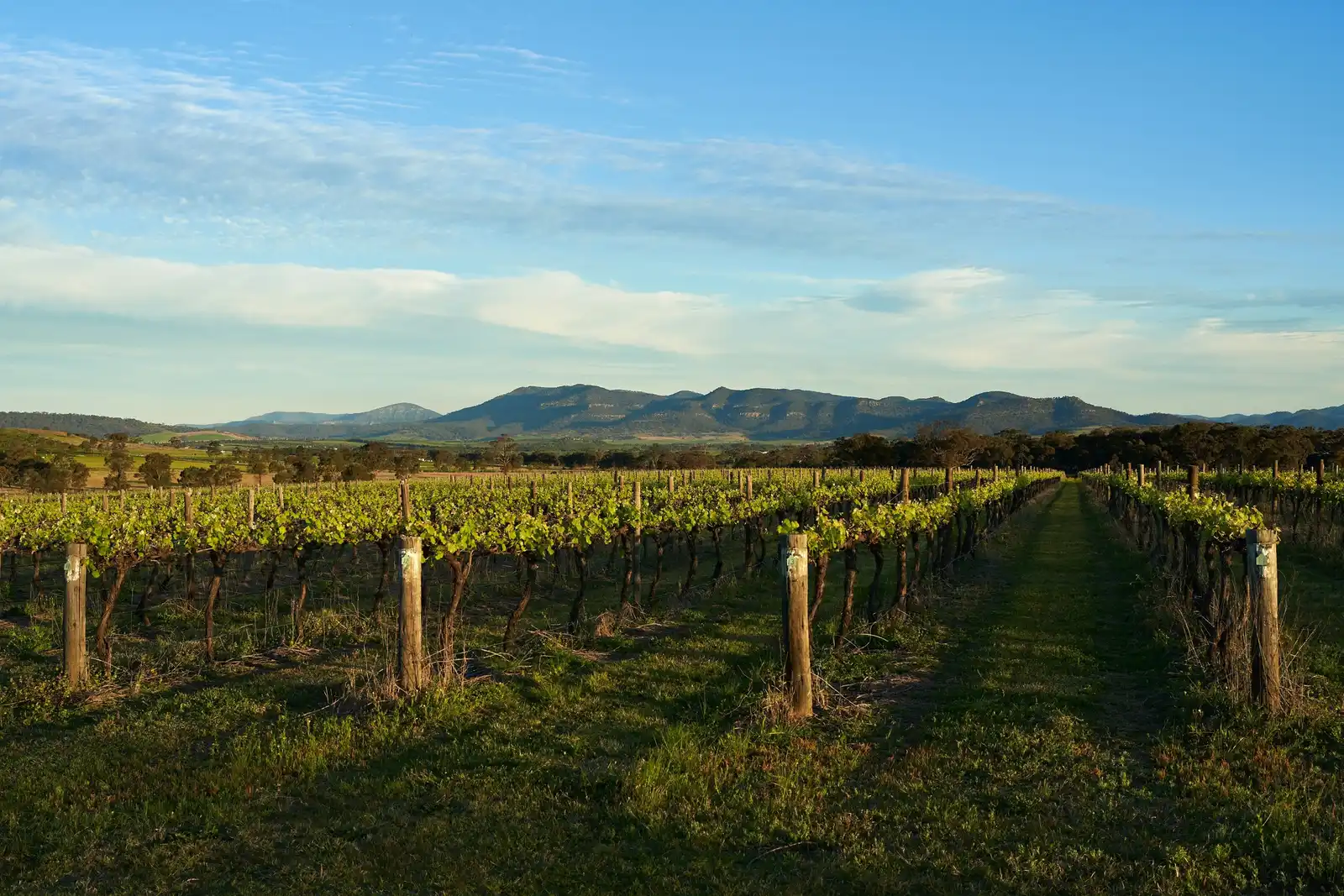
The Hunter Valley vintage starts in January, and at a sparkling house it starts first. Fruit for traditional method wine is picked earlier than almost anything else in the valley, at lower sugar and higher acid, so at Ember Hill in Pokolbin our chardonnay, pinot noir and pinot meunier usually come in during January, picked by hand before dawn. The still wines around us follow over the weeks after. If you visit in high summer, you're arriving while the year's most important work is under way.
Why sparkling fruit comes in first
A sparkling wine made by the traditional method ferments twice. The first fermentation makes a dry, still base wine. The second happens in the bottle, after yeast and a little sugar are added at tirage, and it lifts the alcohol again. So the base wine has to start lower than a table wine would.
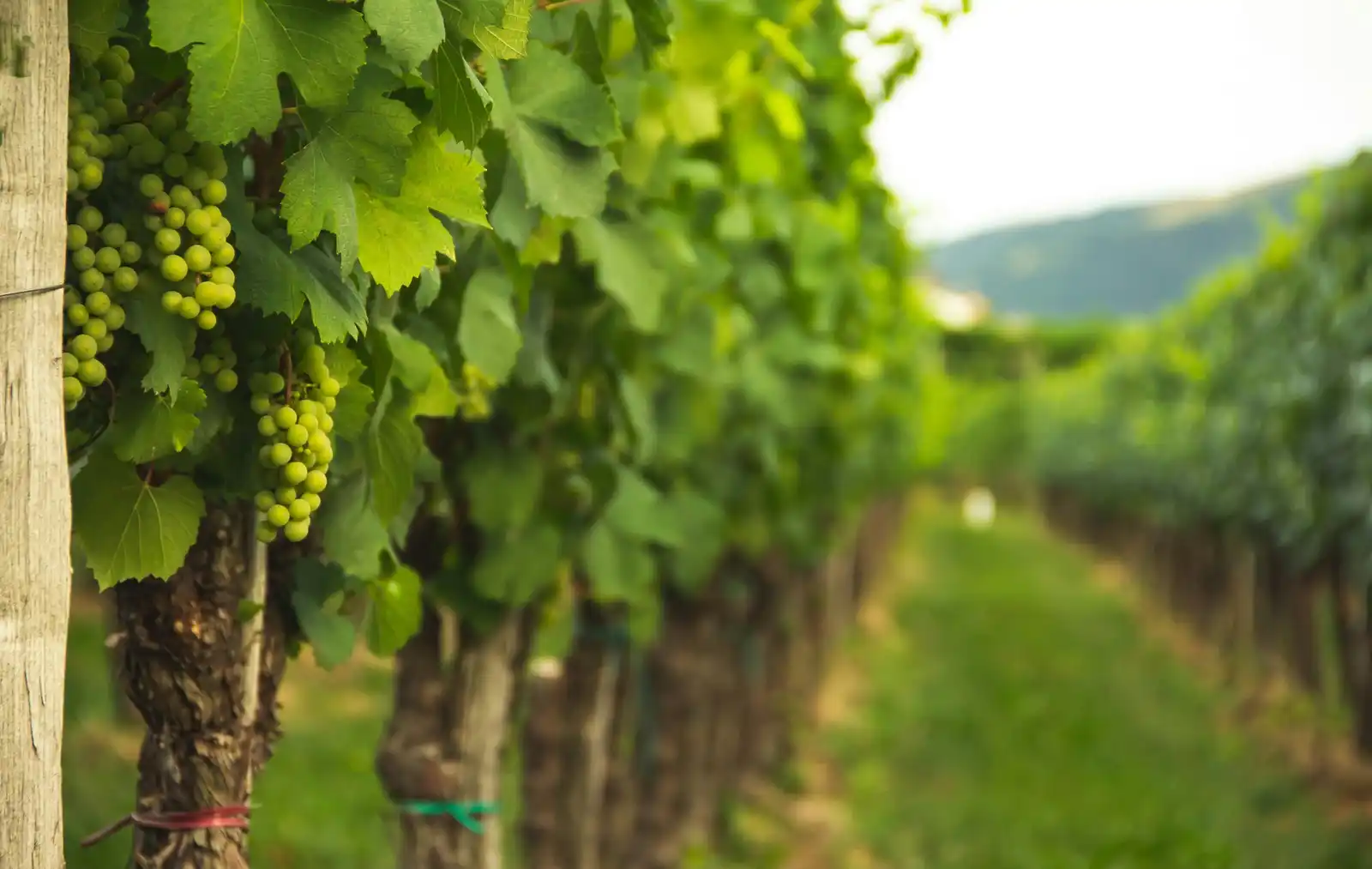
Picking early does that. Grapes build sugar as they ripen and lose acid at the same time. A few weeks before a winemaker would pick the same chardonnay for a still white, the fruit has the balance we want: modest sugar, plenty of acid, flavours of lemon and green apple rather than peach.
Acid is the whole point
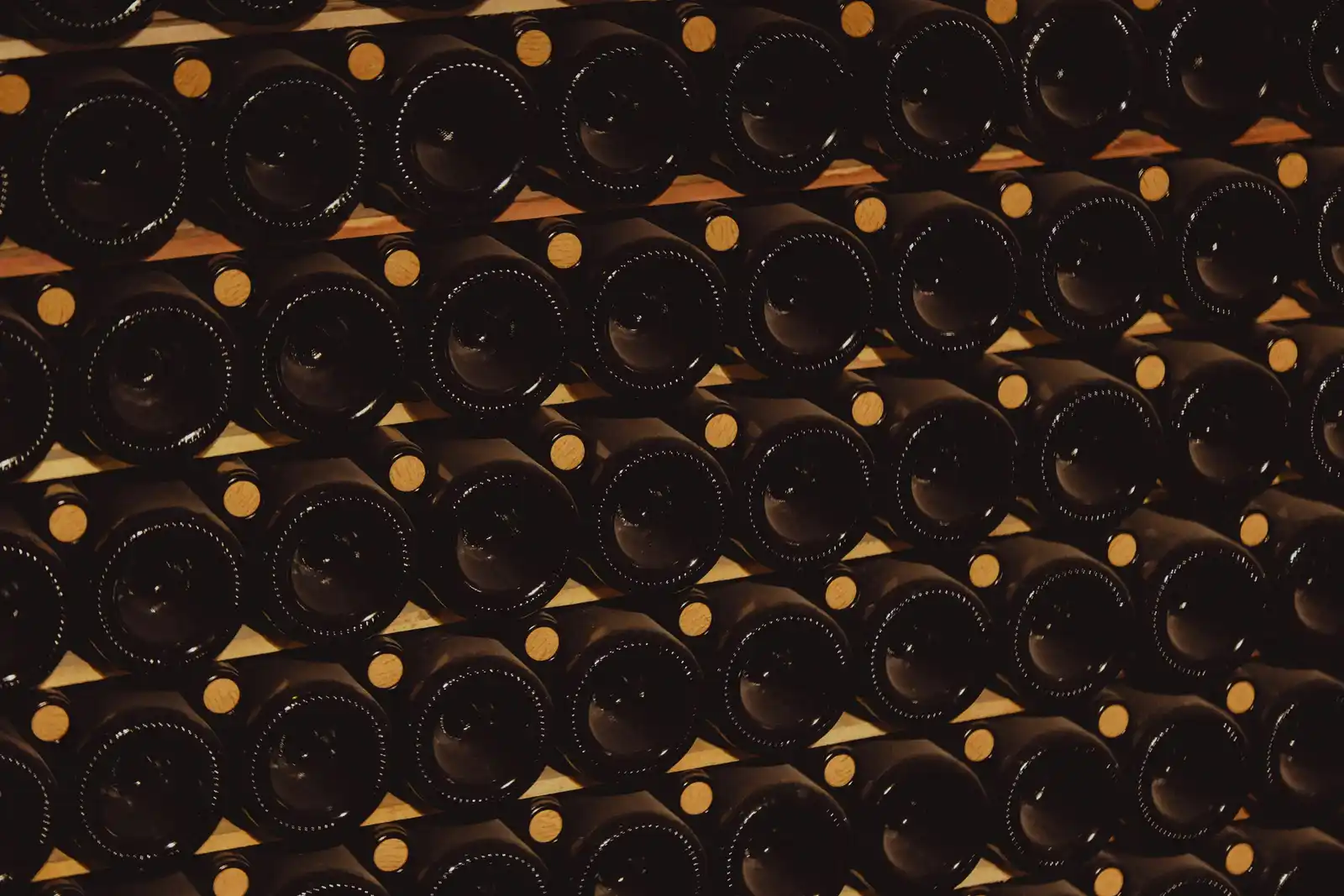
Acid is what keeps a sparkling wine alive in the bottle. Our Blanc de Blancs spends five years on lees and the Late Disgorged ten. A wine without enough acid would turn flat and heavy over that time. With it, the wine stays fresh while the lees adds its toast and brioche. When Daniel Marsh, our chief winemaker, walks the rows in the days before harvest, acid is the number he watches most closely.
How a Hunter Valley vintage runs at Ember Hill
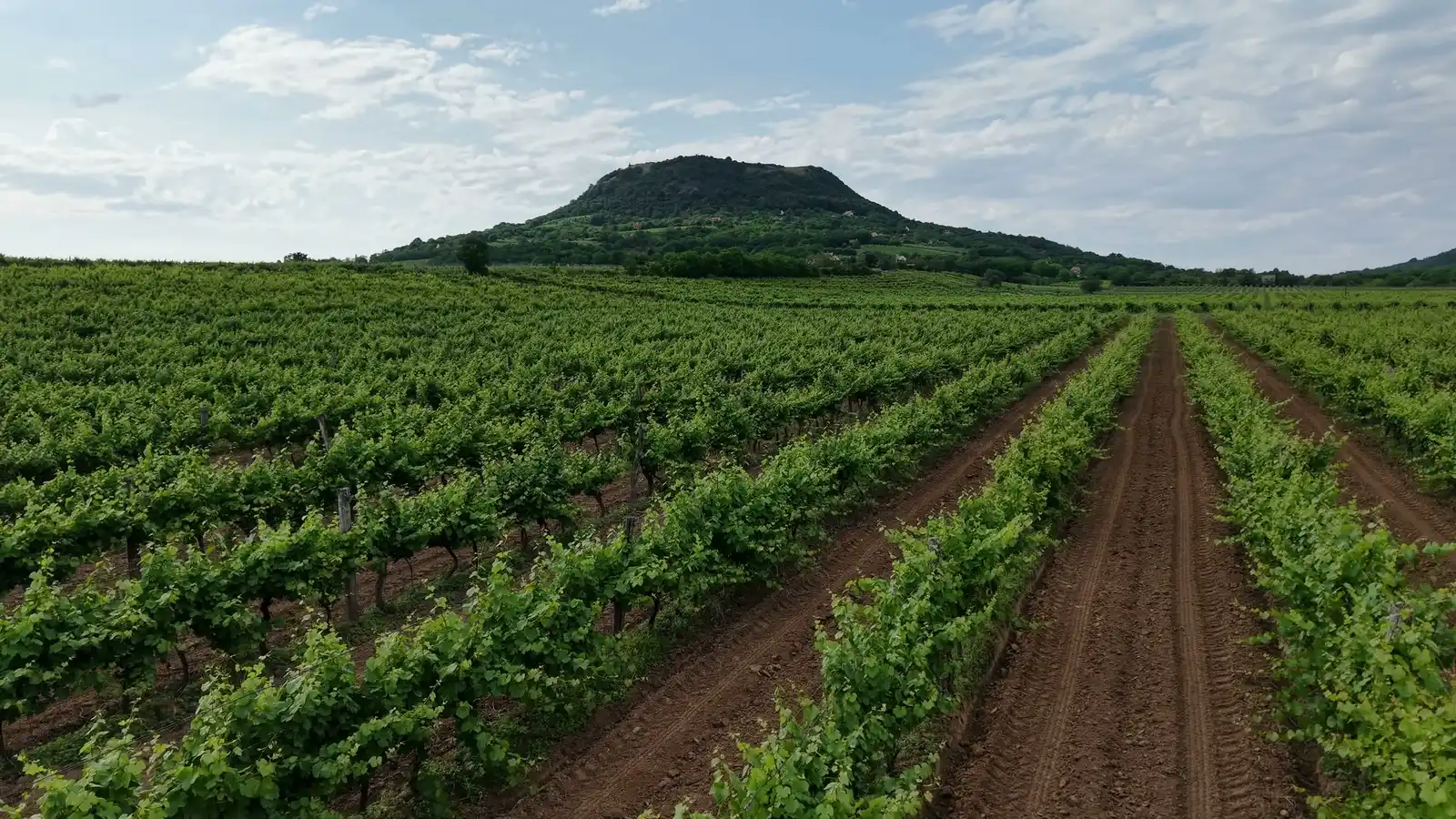
Our 14 hectares sit in three blocks on the slope below the ironstone ridge:
- Top Block, chardonnay, highest on the slope
- Hill Block, pinot noir
- Creek Block, pinot meunier, lower down near the creek
Each block ripens at its own pace, so harvest happens in passes rather than in one rush. Daniel tastes the fruit, checks sugar and acid, and calls each block when it's ready.
Before dawn, by hand
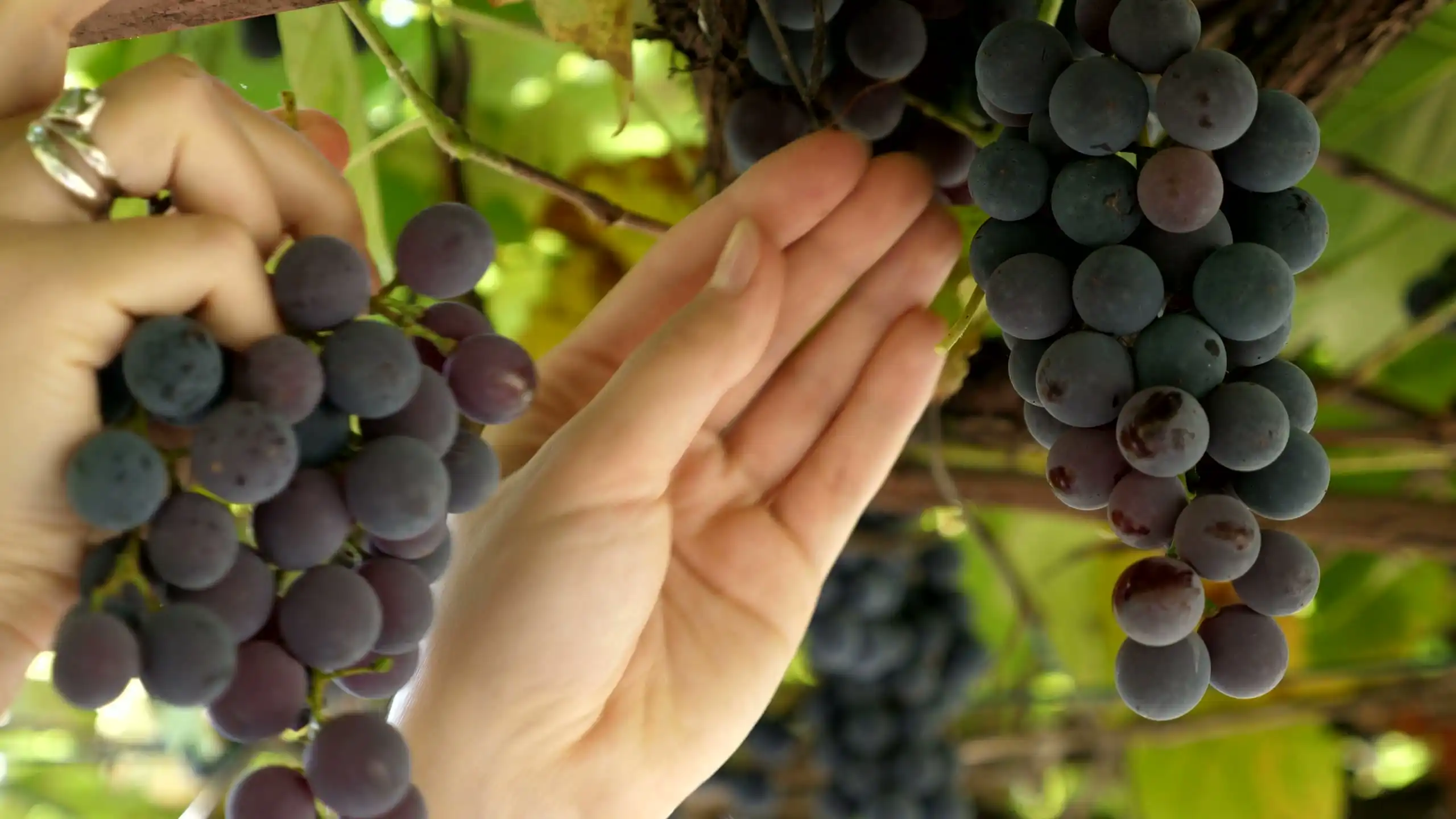
We pick in the dark and the first hour of light. January days in Pokolbin are hot, and warm fruit is harder to handle well. Cool grapes press more gently, oxidise less and keep their fresh flavour. Picking by hand lets the team take whole bunches and leave any damaged fruit behind. That matters most for the pinot noir and pinot meunier, because for a white sparkling the juice has to come away from the dark skins with as little colour as possible.
Into the press
The bunches go to the press whole and are squeezed gently. The first, cleanest juice is the part we want for our cuvées. It settles, ferments in tank, and by autumn it's the base wine that each cuvée is built from. Our vineyard and method page follows the wine from there into bottle and down into the cellar.
What a visitor sees in January
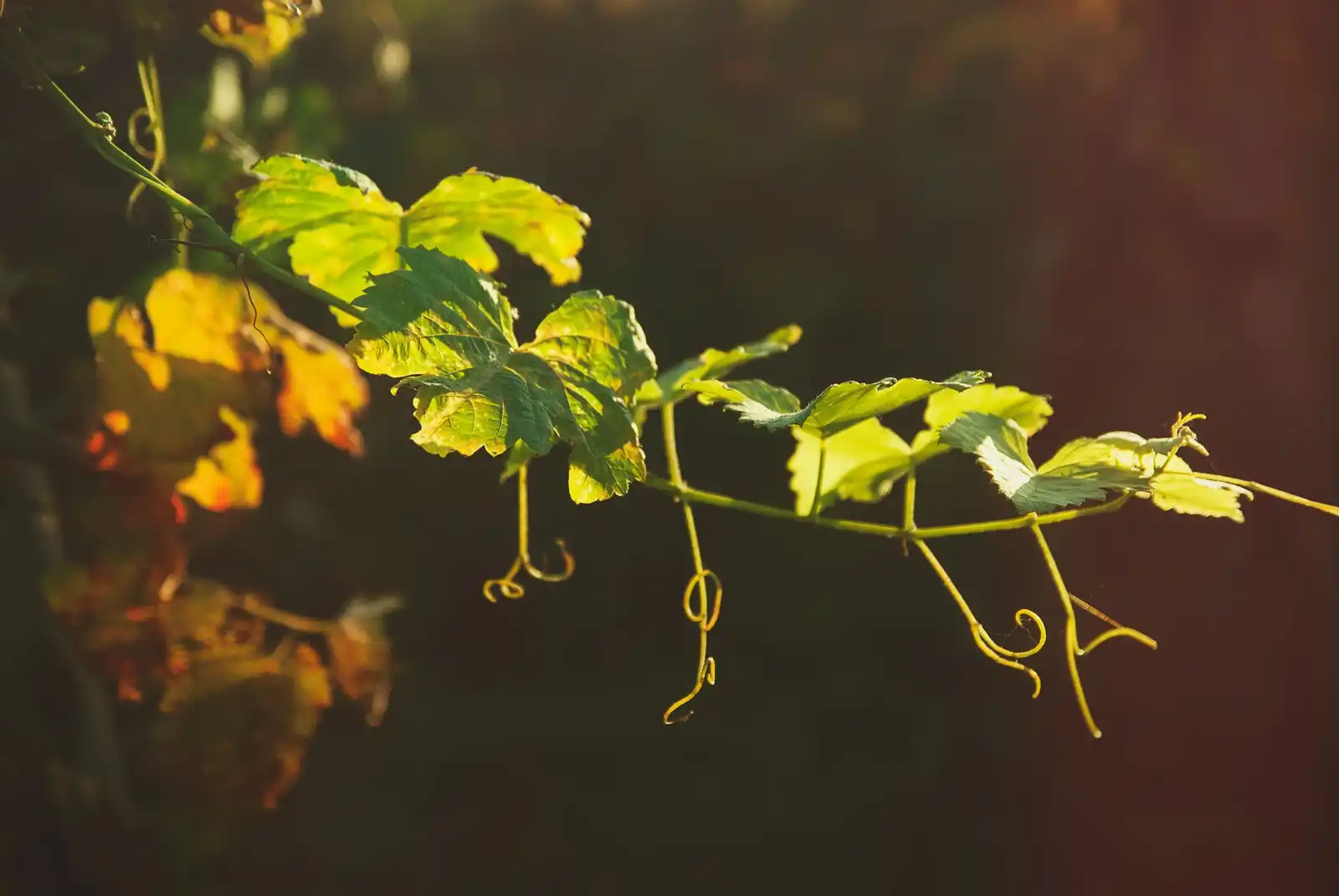
Most of the picking is finished before the cellar door opens at 10am, so you won't usually see the pickers. You'll see what's left behind: the bins rinsed and stacked, the press working, nets being lifted off the rows, and a sharp smell of fresh juice around the winery. The vines are at their fullest and greenest, and the evenings are long.
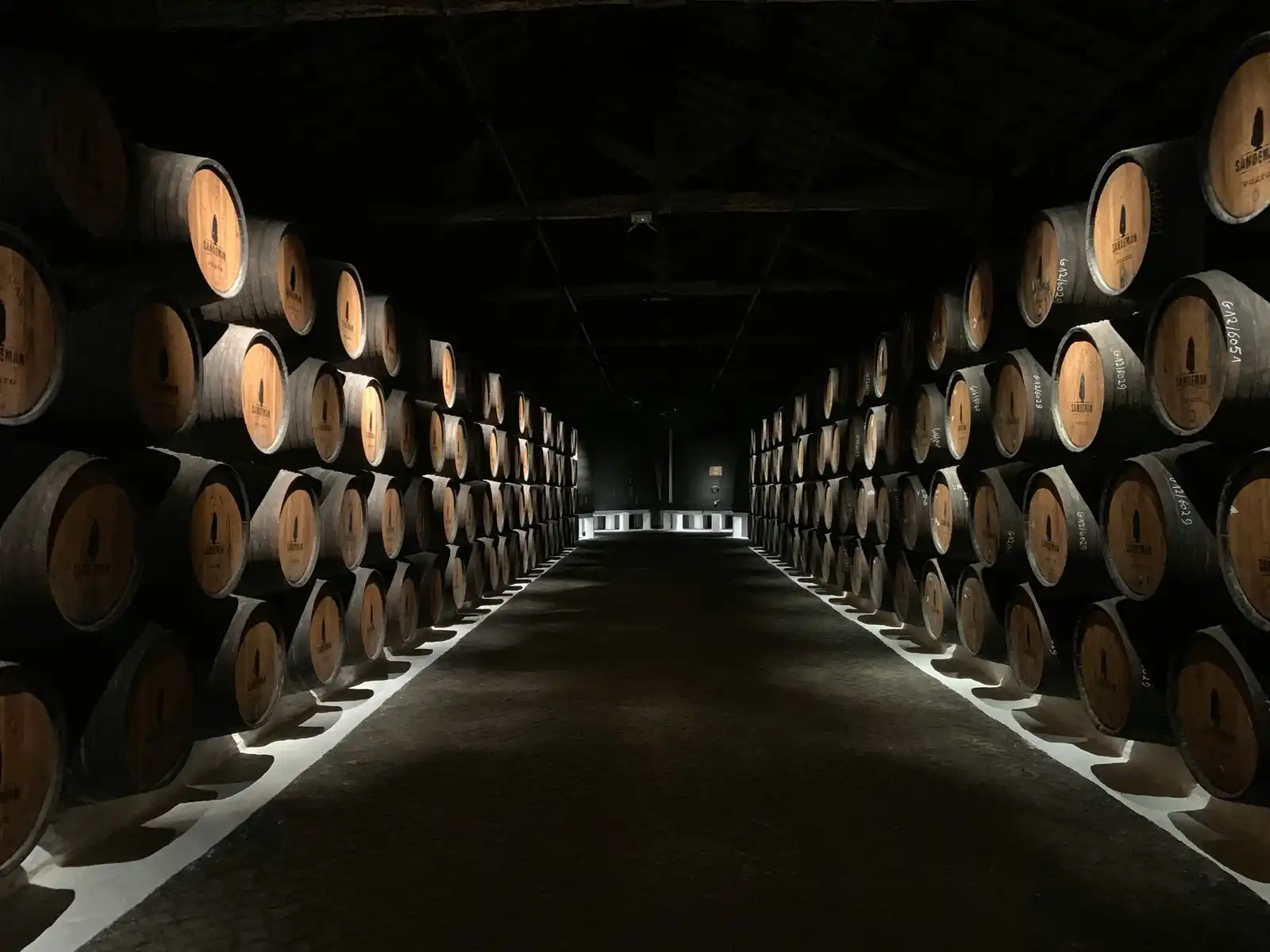
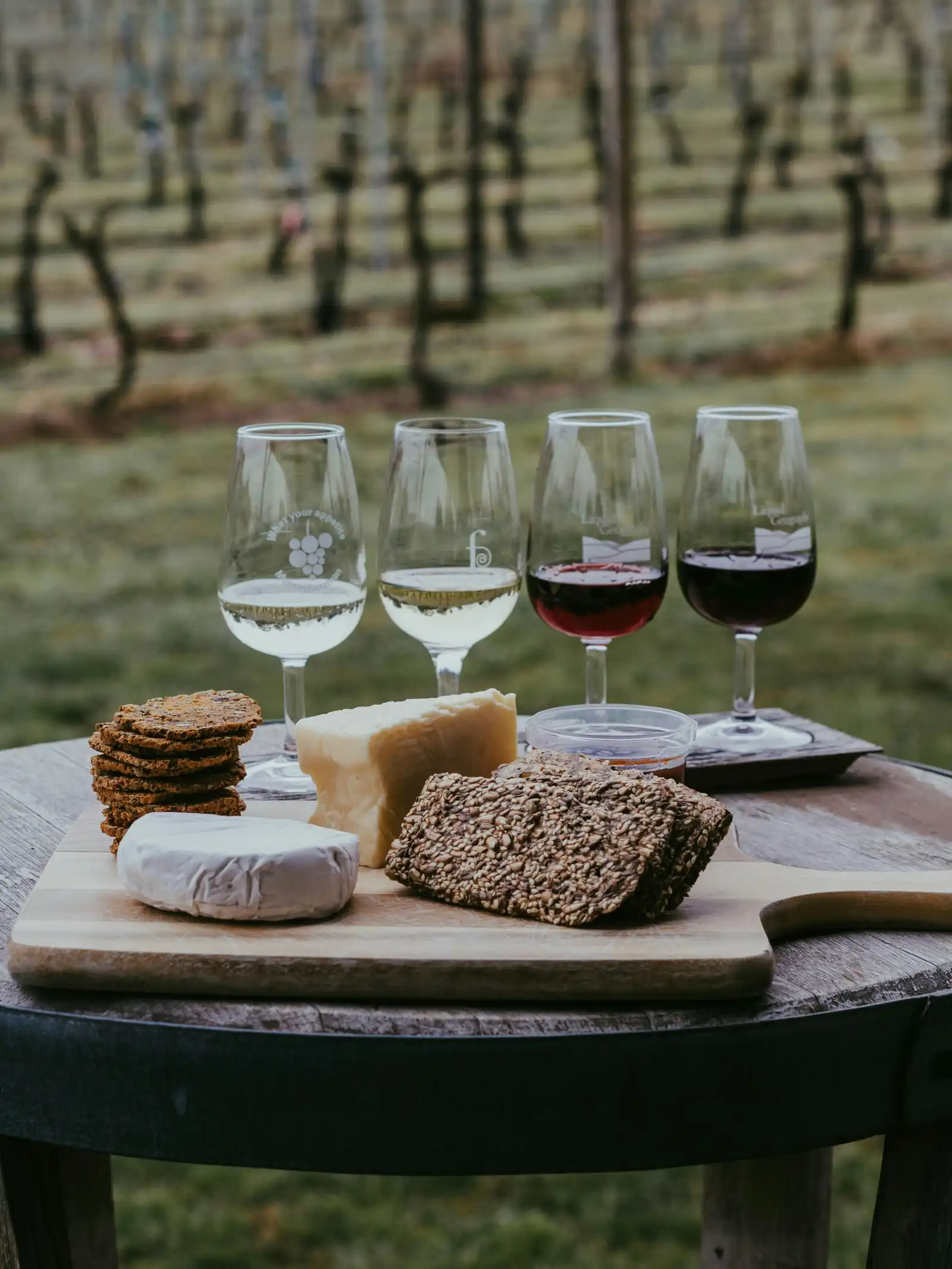
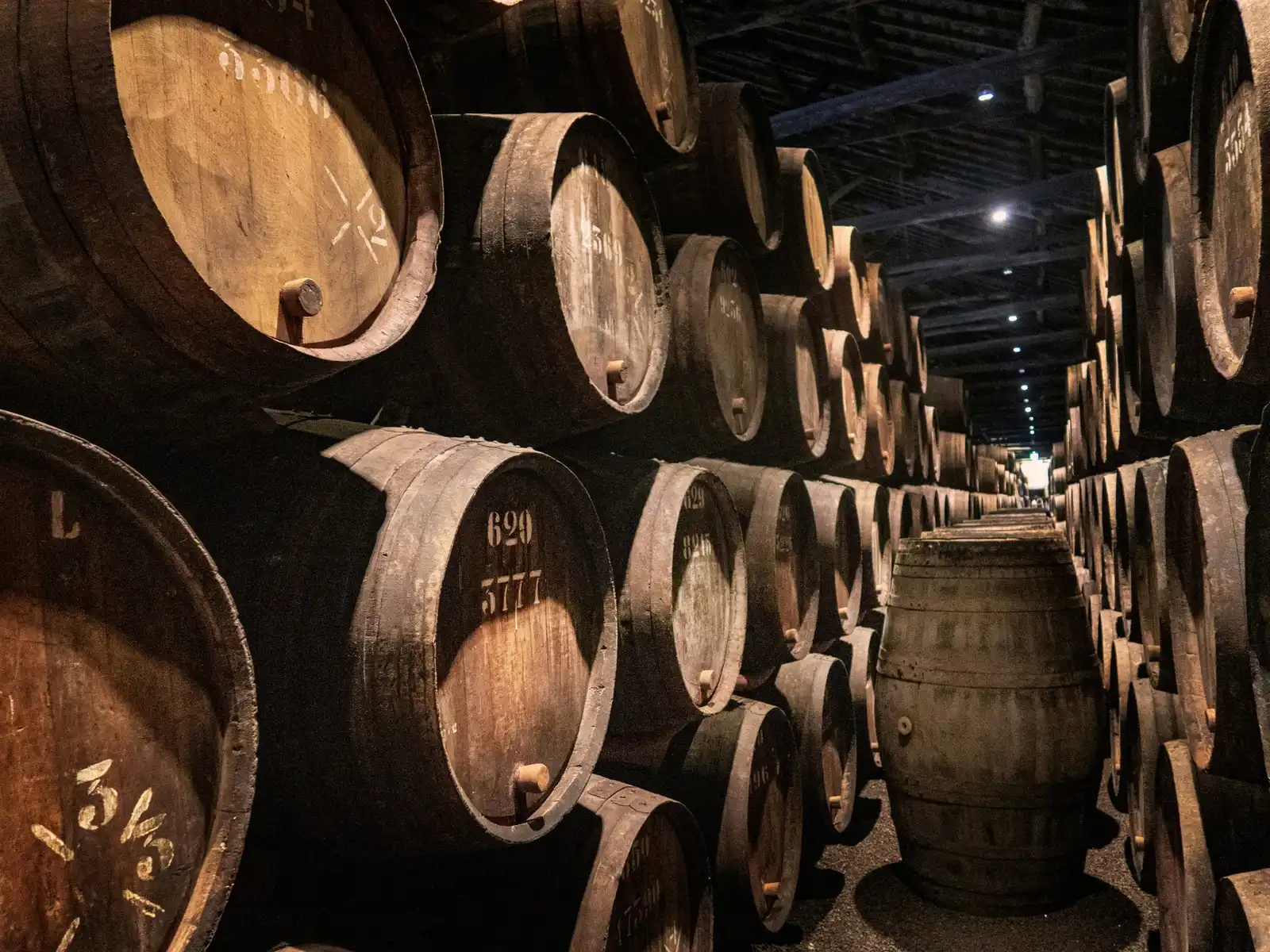
The base wine is the closest thing to the new vintage you can taste. Every cellar door tasting includes a glass from tank, poured beside the four finished cuvées, and the contrast shows you what years on lees do. If you'd like to go further, the riddling room tour runs Friday to Sunday at 11am and 2pm and takes you into the cellar under the hill, where earlier vintages are resting at every stage.
Plan for the heat. Arrive in the morning, bring water and a hat, and book lunch at Lees for noon. If you're tasting, travel with a designated driver, a tour or a transfer.
The weather risk
Every vintage is a bet against the sky. In the Hunter the risks cluster in late summer:
- Storms and hail, which can damage fruit in minutes just as it's nearly ready
- Rain and humidity, which raise the risk of rot in tight bunches
- Heatwaves, which push sugar up and acid down faster than anyone would like
Early picking helps a sparkling house here. Our fruit is often in before the worst of the late-summer weather arrives, and when a hot spell is forecast we can bring a block forward by a few days. Some years still test everyone. A vintage date on a bottle is a record of how that particular summer went.
From one January to the bottle you buy
The fruit picked this January won't be released as sparkling for years. Our Rosé spends three years on lees, the Blanc de Noirs six, and the Late Disgorged ten. So the bottle on the cellar door bench is a summer from well before this one, and the vintage being picked now is a promise for later.
That long wait is why our wine club members get first word on new releases. The rest of the time, the best way to taste a Hunter vintage at work is at the cellar door, with the base wine in one glass and a finished cuvée in the next.