Champagne is sparkling wine made in the Champagne region of France, under that region's rules, and the name belongs to that place. Sparkling wine is the wider family: any wine with bubbles, made anywhere, by any of several methods. So the difference between Champagne and sparkling wine is mostly about where the wine is from, not only how it was made. An Australian winery can make its wine in exactly the same way, and we do at Ember Hill in Pokolbin, but since 2010 it can't put the word Champagne on the bottle.
This is the one post on our site where the word appears, because explaining the rule is the only reason to use it.
Champagne vs sparkling wine: the rule in Australia
Champagne is a protected geographical indication. That means the name is tied to a defined place, and only wine grown and made there, to that place's standards, can carry it. The same idea protects many European wine names.
For a long time Australian wine labels borrowed those names freely. That ended with the wine agreement between Australia and the European Union. It was signed in 2008 and came into force on 1 September 2010. Under it, Australian producers agreed to stop using Champagne and a list of other European names on their wine, with a phase-out period for some of them. In return, Australian wine gained easier access to European markets and recognition of its own regions.
The agreement reaches past the place names. The phrase méthode champenoise, which once described the method on labels around the world, is reserved as well. So Australian producers describe the same process another way:
- traditional method
- méthode traditionnelle
- bottle fermented, in some cases, though that phrase is looser (more on it below)
That is why our labels, our cuvées and every page on this site say traditional method or méthode traditionnelle. That's the law, and a fair one: the name tells you where the wine is from.
What traditional method actually means
Traditional method describes how the bubbles get into the wine. It's the slowest way to make sparkling wine, and the steps are the same whether the bottle is in France or in the cellar under our hill.
- Base wine. The grapes are picked early, at lower sugar and higher acid, and made into a still, dry wine. At Ember Hill that's chardonnay from the Top Block, pinot noir from the Hill Block and pinot meunier from the Creek Block.
- Tirage. The base wine is bottled with a little yeast and sugar and closed with a crown seal, like a beer cap.
- Second fermentation. The yeast eats the sugar in the sealed bottle. The carbon dioxide has nowhere to go, so it dissolves into the wine.
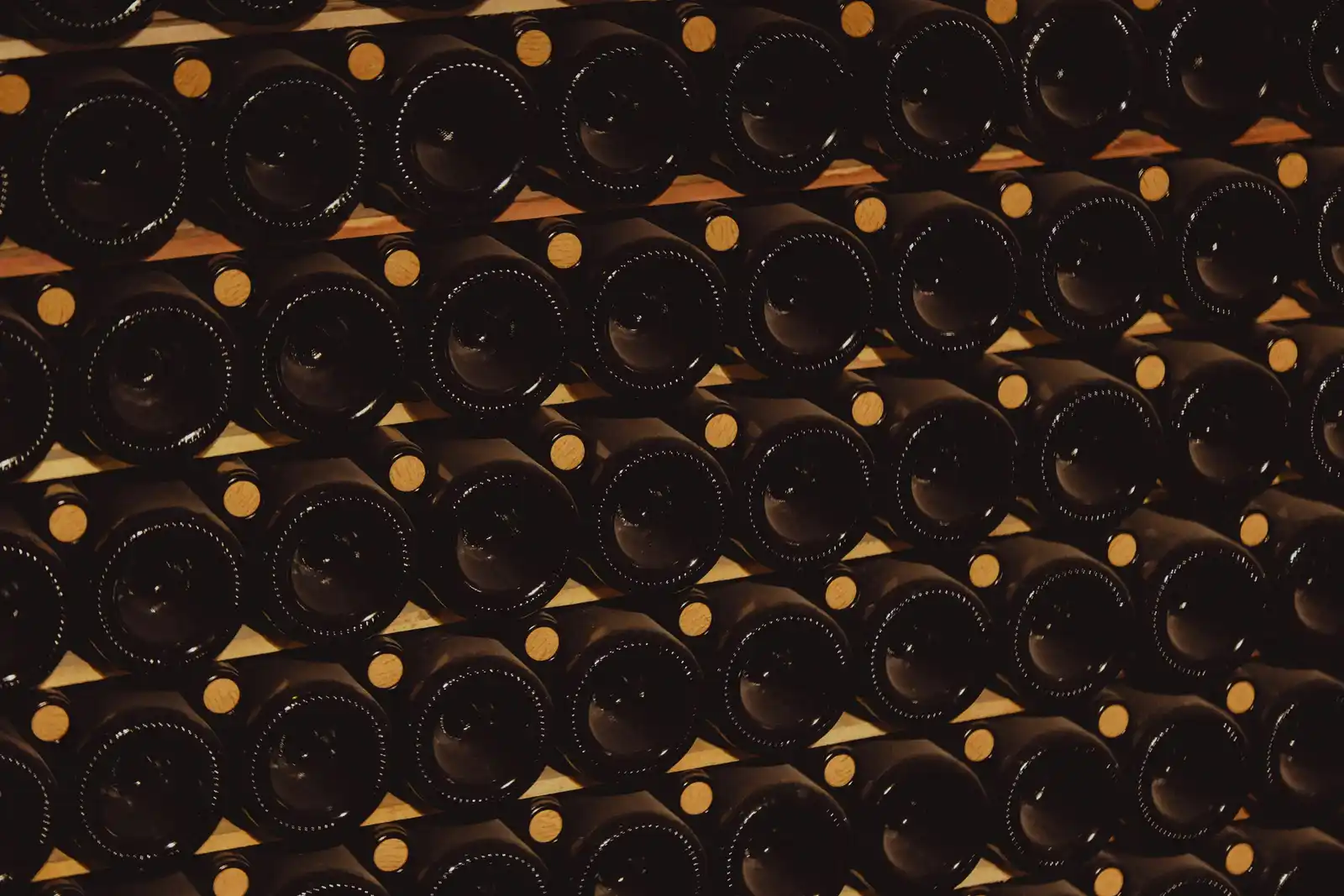
- Ageing on lees. The spent yeast, the lees, settles in the bottle and the wine rests on it, for years in our case. This is where the toast and brioche flavours come from.
- Riddling. The bottles are turned and tilted, little by little, until the lees slides down into the neck.
- Disgorging. The crown seal comes off and the plug of lees shoots out.
- Dosage, cork and wire. A small top-up of wine, sometimes with sugar, replaces what was lost, and the bottle gets its cork and wire cage.
Our vineyard and method page walks through each step in more detail, and our post on disgorging covers the last stages closely.
Prosecco and the tank method, in a line
Most prosecco is made by the tank method, also called Charmat, where the second fermentation happens in a large pressurised tank instead of in each bottle, which keeps the fruit fresh and the price lower. It's a different style rather than a lesser one, but it's a different wine from anything aged for years on its lees.
How to read an Australian sparkling wine label
Without the old borrowed names, an Australian label tells you what's in the bottle directly. Here's what to look for.
The method
Traditional method or méthode traditionnelle means the second fermentation happened in the bottle you're holding. Bottle fermented on its own can also describe the transfer method, where the wine ferments in bottle and is then emptied into a tank, filtered and rebottled. If a label says only bottle fermented and you want to know, ask the cellar door.
The grapes
Blanc de blancs means white from whites: chardonnay only. Our Blanc de Blancs is 100% chardonnay from the Top Block. Blanc de noirs means white from blacks: pinot noir and pinot meunier, pressed gently so the juice stays pale. A rosé takes its colour from time on the red skins, in our case a day.
The sweetness
The dosage word tells you how dry the wine is. Brut is dry. Extra brut is drier. Brut nature has no sugar added at dosage. Our four cuvées run from brut at 7 g/L down to brut nature at 0 g/L in the Late Disgorged.
The time
A vintage on the label means the wine comes from one year's harvest. Time on lees is the number many producers print on the back label or their website, and it's the clearest clue to how much toast and depth to expect. Ours range from three years for the Rosé to ten for the Late Disgorged.
Where Australian sparkling stands
Australia makes serious traditional method sparkling, and much of the best comes from cool sites where the grapes keep their acid. The Hunter is warmer, so we pick earlier, in January, before dawn, while the fruit is cool and the acid is still high. Our post on the Hunter Valley vintage explains why those few weeks decide so much.
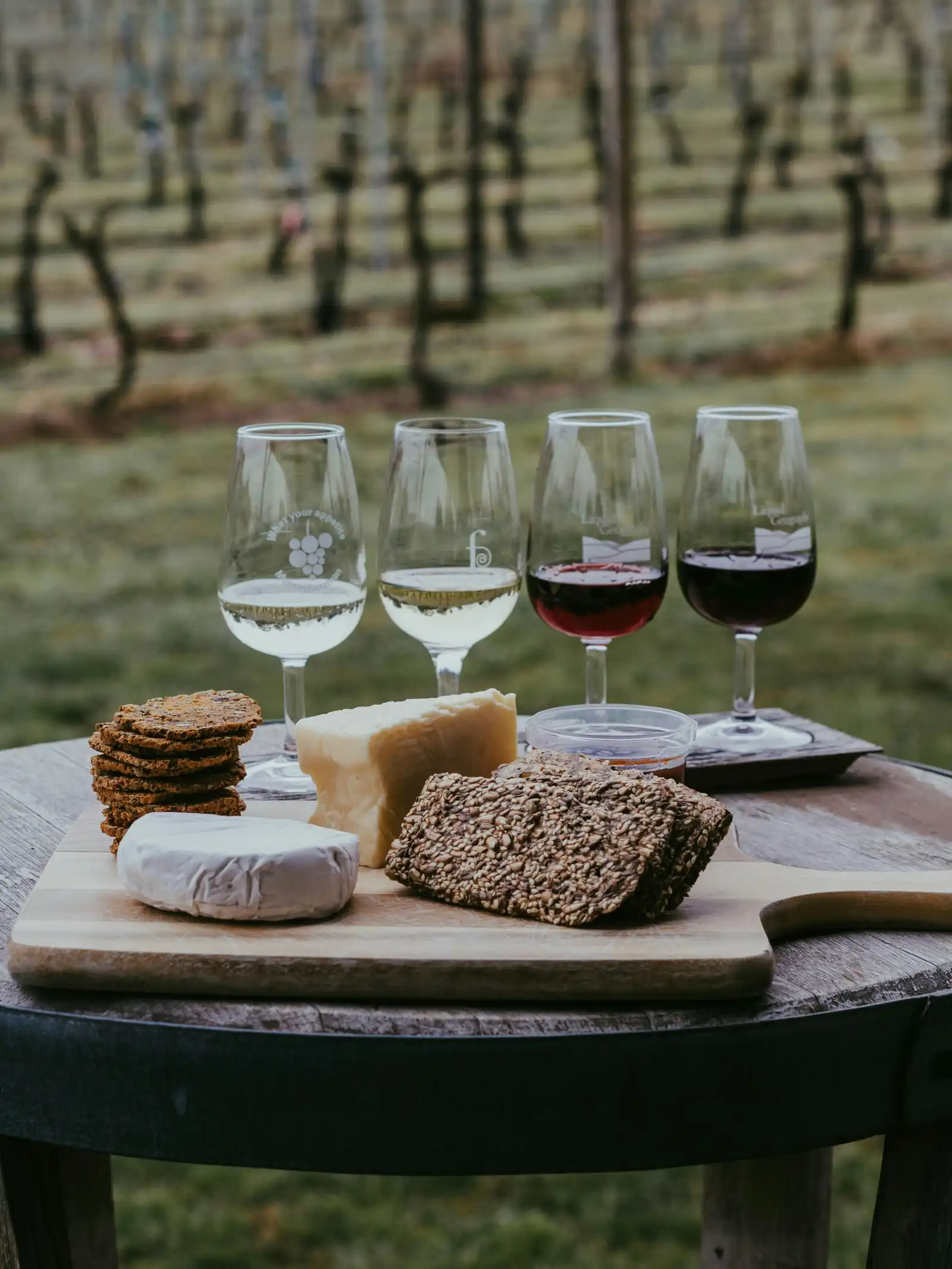
The name on the bottle is a question of place. The method, the patience and the time on lees are what you taste. The simplest way to understand the difference is to try it: a cellar door tasting pours all four cuvées and a glass of the still base wine they started as.